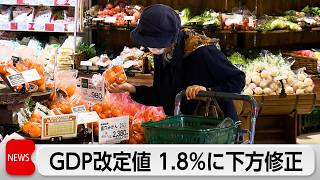
TOKYO - Rising tensions in the Middle East are beginning to affect not only fuel and transportation costs, but also the prices of everyday foods ranging from cooking oil and fish to onions, with experts warning that the impact could continue for at least another year even if fighting comes to an end.
Price hikes are already being planned for products such as cooking oil, natto and bread. While part of the increase is linked to higher costs for petroleum-derived plastics used in containers and packaging, another major factor is the growing global demand for biofuels.
Vegetable oils made from soybeans and rapeseed are not only used in food production, but can also be processed into biofuels for aircraft and automobiles. As crude oil prices climb due to instability in the Middle East, countries around the world are accelerating efforts to shift from fossil fuels to plant-based fuels, intensifying competition for agricultural resources.
Sae Izumi, a reporter covering the Agriculture Ministry for TBS, explained that cooking oil can serve both food and fuel industries, and that tightening global crude oil supplies are pushing governments and companies toward alternative energy sources.
“With demand rising while supply remains limited, the market is becoming increasingly strained, and this is contributing to higher cooking oil prices,” Izumi said.
Although diplomatic efforts toward ending the conflict are continuing, analysts say consumers should not expect food prices to stabilize immediately even if a ceasefire agreement is reached.
Yuki Tsugano, a researcher at the Japan Research Institute, noted that there is roughly a one-year time lag between a rise in crude oil prices and its full impact on food costs. Higher oil prices first affect raw materials and logistics, before eventually filtering through to food production and retail prices.
“As a result, even if an agreement to end the fighting is reached, the effects will not disappear quickly,” Tsugano said.
The impact is also spreading to the seafood industry. Fishing operators say soaring fuel costs are discouraging some fishermen from going out to sea, reducing catches and putting upward pressure on fish prices.
At the same time, the price of small fish used to make fishmeal for aquaculture feed is also climbing sharply.
Japan imports feed fish from countries including Peru and Oman. However, shipping costs linked to the effective shutdown of the Strait of Hormuz have significantly increased transportation expenses from Oman, pushing up prices.
In parts of Asia, anchovy catches have also fallen dramatically as higher fuel prices make fishing operations less profitable. Industry officials say catches in some regions have dropped by as much as 70% to 80%.
Major trading company Kanematsu said import prices for fishmeal rose approximately 13% over the past two months alone.
Consumers may also soon feel the effects in vegetable prices, particularly onions.
Fertilizer accounts for roughly 10% of onion production costs, and fertilizer manufacturing relies heavily on natural gas, much of which is produced in the Middle East. As regional instability threatens supply, fertilizer prices are continuing to rise.
According to Izumi, fertilizer import prices have already climbed around 20% compared to levels before the conflict escalated.
While rising oil prices are the most visible consequence of the Middle East crisis, experts say the ripple effects are now spreading through the entire food supply chain.
TBS anchor Shinobu Inoue noted that even if a ceasefire is agreed during a future summit between U.S. and Chinese leaders, higher prices could continue for another one to two years.
“Every day we hear reports about rising prices, but many of the increases we are seeing now are actually the result of past events,” Inoue said. “What is happening in Iran today will influence the future, and the challenge is how society can reduce those risks.”
Organizational development consultant and author Mai Teshigawara described the situation as a reminder of how deeply interconnected modern society has become.
“All people want is to live their lives, yet even that feels increasingly difficult,” Teshigawara said. “This is not a natural disaster, but something closer to a man-made disaster, which makes it especially frustrating.”
She added that she worries about rising school lunch costs and whether children will continue to have access to nutritious foods such as fish.
Analysts also point out that farmers and fishermen may face the greatest burden. Unlike manufacturers of processed foods, who can raise prices in response to higher costs, producers of fresh foods such as vegetables and seafood often have limited control over pricing because market prices are largely determined through wholesalers and agricultural cooperatives.
Source: TBS