



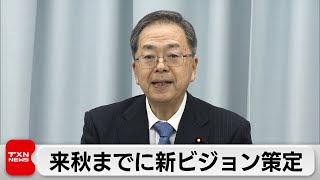
Komeito leader Saito told senior members of the party’s regional organizations that, following the party’s departure from its coalition with the Liberal Democratic Party, he intends to establish a new party vision centered on centrist reform by the time of the party convention next autumn, saying in the meeting that he is determined to raise the banner of centrist reform high within Japanese politics and open up a new horizon by serving as a unifying axis across the ruling and opposition blocs.

"For many years, criticizing politicians for being 'soft on China' has been an effective tactic.
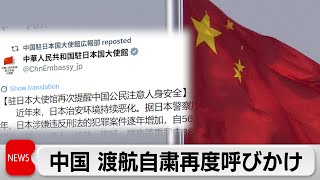
The Chinese Embassy in Japan reiterated its call for citizens to refrain from traveling to the country after issuing a renewed advisory on November 26th, warning on social media that those already in Japan should take extra precautions to stay safe as embassy officials report a rise in requests for assistance from Chinese nationals who say they have faced discrimination since July.

China’s Communist Party–affiliated media has sharply criticized Prime Minister Takai’s stated willingness to continue dialogue with Beijing, calling the approach “hypocritical and meaningless.”
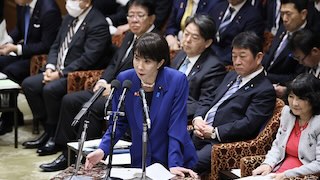
Japanese Prime Minister Sanae Takaichi has sparked uproar after declaring in parliament that a conflict in the Taiwan Strait could qualify as a “survival-threatening situation” for Japan—language that would allow Tokyo to exercise collective self-defense, including potential military action.

Tensions between Japan and China have escalated rapidly following remarks by Prime Minister Takaichi in the Diet regarding a potential contingency involving Taiwan, prompting Beijing to introduce a series of countermeasures including a call for citizens to refrain from traveling to Japan, with the impact already spreading across the Kansai region’s economy.