



Travelers across Japan face further disruption on Tuesday, October 27, as heavy rain associated with the remnants of Typhoon No. 30 shifts eastward, threatening railway services, highways and morning commuting routes from central Japan toward Tokyo.

The underground platform of the planned Kanagawa Prefecture Station on Japan's Chuo Shinkansen maglev line was opened to the public for the first time on October 24, offering visitors a rare glimpse of the high-speed railway project under construction in Sagamihara, Kanagawa Prefecture, with demand for the tour exceeding available places by approximately 12 times.



A commemorative ceremony was held in Kobe on October 24 to mark the approaching 100th anniversary of the "Kobe Wall," a historic structure that survived both the devastating 1995 Great Hanshin-Awaji Earthquake and the firebombing of Kobe during World War II.

A fire broke out at a warehouse believed to belong to Kurosawa Film Studio in Yokohama, Kanagawa Prefecture, shortly after midnight on October 23, prompting the dispatch of 40 emergency vehicles after a report that a battery was burning, with witnesses describing explosion-like sounds and vibrations strong enough to shake nearby windows.

Four dead fawns with missing body parts have been discovered around Kofukuji and Todaiji temples in Nara between August and October, prompting Nara Prefecture to hold an emergency press conference on October 23 after experts determined that wild animals were unlikely to have caused the injuries, raising suspicions that humans may have deliberately harmed the young deer.
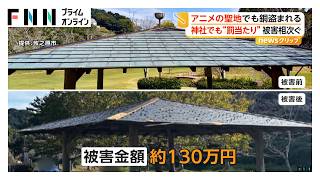
A wave of copper thefts has struck public facilities across Japan, with thieves stripping metal from bridges, park shelters and shrines, including a park known as a popular anime pilgrimage site, while police in Nagano Prefecture have made arrests following a series of similar incidents.


Japan marked the final Sunday of October with traditional autumn events across the country on October 25, including a spectacular water discharge drill at the World Heritage site of Shirakawa-go in Gifu Prefecture, a seasonal salmon feast in Miyagi Prefecture, and a parade of northeastern Japan's most famous festivals in Tokyo, despite widespread rain caused by a stationary autumn rain front.
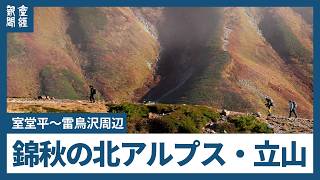
The Northern Alps in central Japan have entered the height of their autumn colors, with the alpine landscape around Tateyama's Murodo Plateau in Toyama Prefecture offering spectacular views of red and yellow vegetation, rugged mountain ridges and the rare Japanese rock ptarmigan, a protected bird species whose survival depends on the delicate balance of the mountain ecosystem.

Motorcycle owners across Japan can now choose their preferred license plate numbers under a new system introduced by the Ministry of Land, Infrastructure, Transport and Tourism on October 19th, with popular numbers allocated by lottery and applications costing between 2,500 and 3,000 yen.

Temperatures fell to their lowest levels of the season across much of Japan on the morning of October 18, with Rikubetsu in Hokkaido recording minus 4.3 degrees Celsius, the country's lowest temperature so far this autumn, before sunshine brought warmer conditions during the day and some areas experienced unseasonably hot weather.


A 20-year-old US Marine stationed in Okinawa was indicted on October 25 on charges of robbery and murder after allegedly strangling a woman to death at a hotel in Naha and stealing her backpack containing a wallet and other belongings.

Prime Minister Sanae Takaichi marked the first anniversary of her administration on October 21 with approval ratings still above 60%, supported by her forceful political messaging and extensive use of social media, although growing dissatisfaction over rising prices and the slow delivery of economic policies is beginning to weaken support, particularly among younger voters.

Japanese drone manufacturer Terra Drone has delivered interceptor drones to Ukraine's Ministry of Defense for the first time, prompting Russia to threaten retaliatory measures on October 21, as Japan considers expanding domestic drone production and strengthening its coastal defenses through thousands of unmanned aircraft.

Japan's new rice harvest is reaching stores at significantly lower prices, with initial trading prices for the 2026 crop falling 42% from a year earlier and some supermarkets selling freshly harvested rice for around 2,000 yen per 5 kilograms, creating an unusual situation in which new rice is cheaper than older stocks.

Japanese singer-songwriter ano has revealed the personal message behind her new song "23ji" (11 PM), which became the ending theme for TBS's nightly news program News23 in October, saying she hopes the music reaches people who feel excluded from society and reminds them that even days without visible achievements are not meaningless.
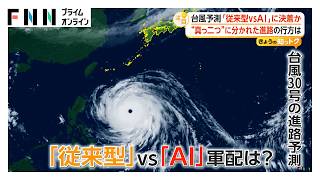
Artificial intelligence has demonstrated greater accuracy than conventional supercomputer models in predicting the path of Typhoon No. 30, which was forecast to approach Okinawa before turning northeast toward Japan, highlighting the growing potential of AI in weather forecasting while raising questions about how its predictions can be verified and used in disaster preparedness.

In Japan, excessive overtime work could lead to a presumed cause of death. Lots of workers have logged very high overtime hours. Families no longer accept compensation as the end of the matter and have started taking employers to court instead. These cases have started to decide what a company must know about its staff hours, and what it must do once it knows.


Japan's major retailers are experimenting with new store formats as rising living costs drive demand for cheaper groceries and changing consumer habits force companies to seek new sources of growth, with Don Quijote launching its food-focused Robin Hood discount chain and FamilyMart opening a next-generation flagship store combining convenience shopping with fashion, lifestyle goods and exclusive products.

Japan's financial markets suffered another sharp setback on October 22 as heavy selling in semiconductor and artificial intelligence-related stocks sent the Nikkei 225 down 1,713.40 points, or 2.65%, to 62,907.84, its lowest closing level since July 30.

Japan's trade deficit nearly doubled in the first half of fiscal 2026 to 2.8184 trillion yen, driven largely by surging crude oil prices following turmoil in the Middle East, while the value of oil imports from the United States increased nearly ninefold as Japan sought alternative sources of supply.

A growing wave of cyberattacks across Japan has raised concerns over the possible use of Chinese-developed artificial intelligence in hacking operations, with personal information belonging to tens of thousands of police employees potentially exposed and major companies forced to suspend online services, while cybersecurity experts warn that slow decision-making within Japanese organizations is allowing damage to spread.