
Jan 07 (News On Japan) - Living in Japan teaches you very quickly how to be intentional with space — and time. Apartments are thoughtfully designed, but let’s be honest, they’re not exactly sprawling.
Add long work hours, packed trains, and social commitments, and suddenly the idea of “going to the gym” feels like one more thing on an already full plate.
That’s why more people here are quietly rethinking fitness. Not by chasing bigger gyms or louder routines, but by adapting movement to real life. The result? Smarter setups, simpler habits, and a growing interest in the home gym for small apartments that actually works within Japanese living, instead of fighting against it.
When Space Is Limited, Creativity Takes Over
If you’ve ever tried to roll out a yoga mat in a Tokyo apartment, you know the dance. Slide the table. Nudge the chair. Hope you don’t knock over the floor lamp. Space limitations aren’t a deal-breaker, but they do force you to get creative.
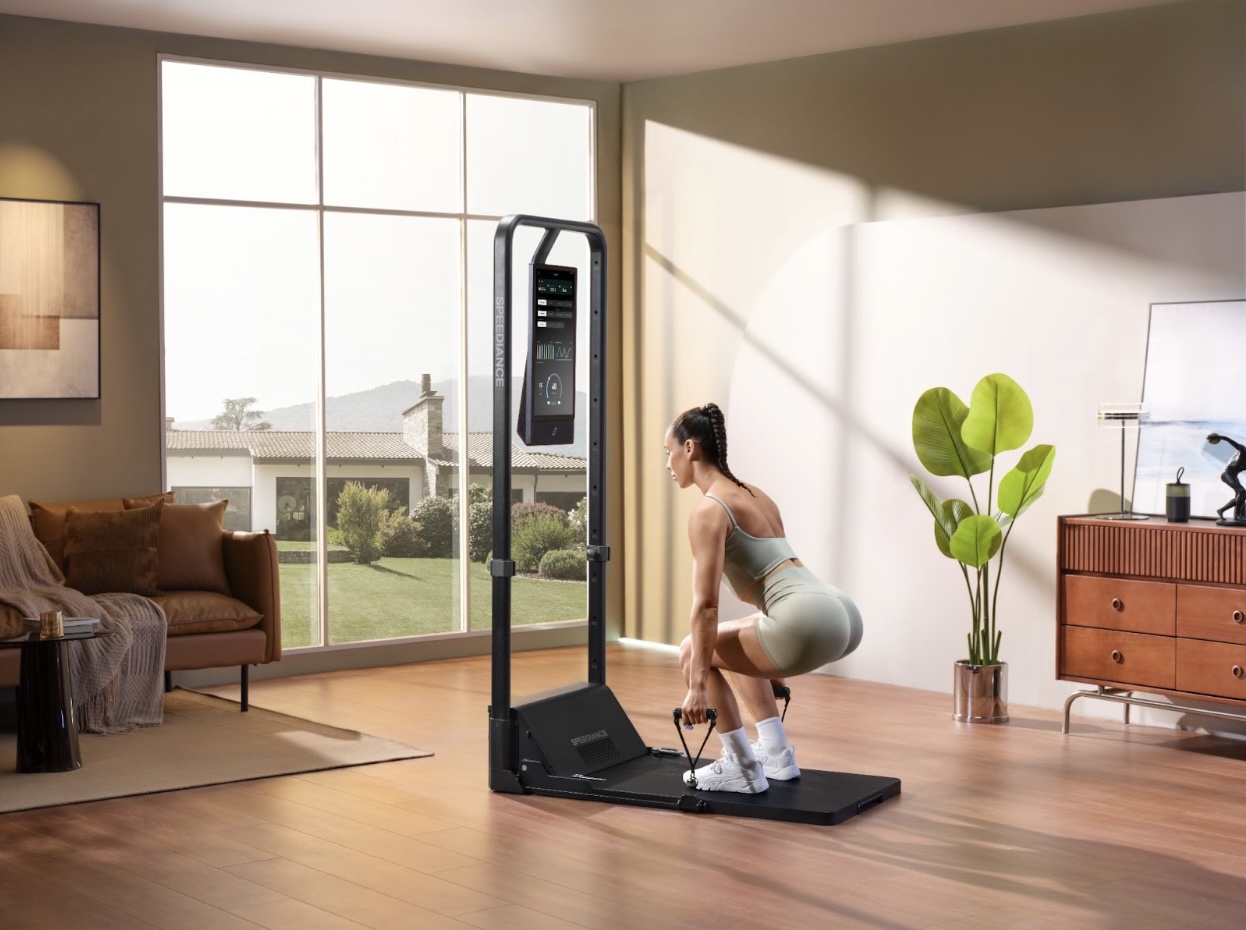
This is where compact exercise equipment Japan has really started to shine. Instead of bulky machines that demand an entire room, people are opting for gear that folds away, stands upright in a corner, or lives discreetly under the bed. The goal isn’t to build a mini commercial gym at home. It’s to create something flexible that fits your life, not the other way around.
And once you stop thinking in terms of “gym-sized,” everything gets easier.
Fitness That Fits Into Daily Life, Not Around It
One thing Japan does exceptionally well is efficiency. Fitness is starting to follow the same mindset. Instead of carving out a strict hour at a distant gym, people squeeze movement into moments that already exist.
A quick strength session before a shower. Ten minutes of stretching after work. A short guided workout before bed. When your setup is right there in your living space, there’s far less friction. You don’t need motivation speeches or perfect conditions. You just start.
That’s the real appeal of a home gym for small apartments. It lowers the barrier so much that exercise becomes a habit instead of a project.
Why Compact Equipment Makes Sense Here
Traditional gym equipment was never designed with Japanese apartments in mind. Large treadmills, massive squat racks, oversized benches — they eat space and demand commitment before you even touch them.
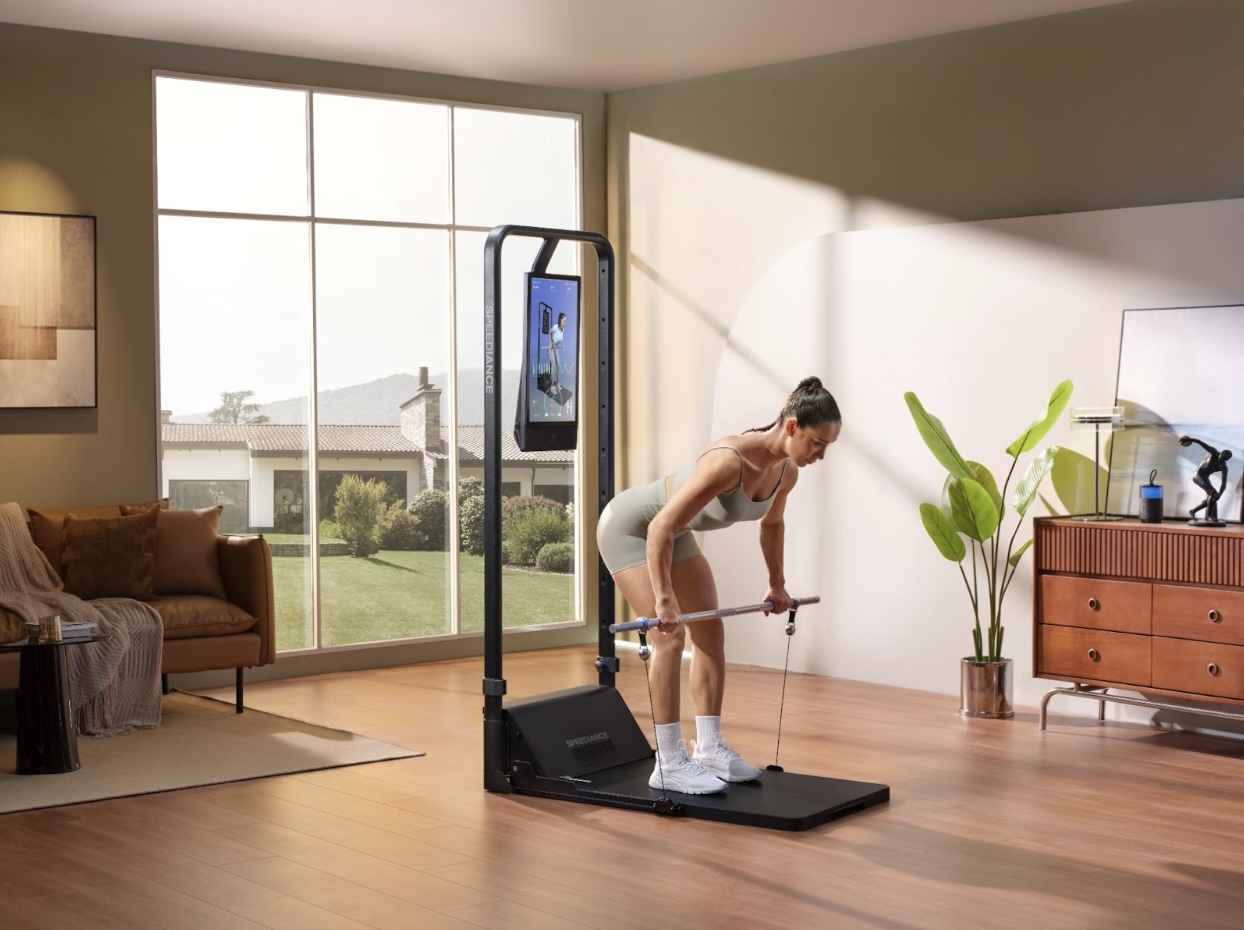
Compact exercise equipment Japan focuses on versatility. One piece does multiple things. Resistance systems replace stacks of weights. Slim cardio options focus on movement, not size. Even mirrors and digital platforms now double as coaching tools without taking up floor space.
It’s not about sacrificing results. It’s about stripping away what you don’t actually need.
Smart Tech Is Quietly Changing Home Workouts
Technology has slipped into home fitness in a very Japanese way — subtle, efficient, and surprisingly effective. Instead of loud screens or aggressive prompts, modern systems offer guided workouts, form feedback, and progress tracking that feels supportive rather than overwhelming.
For busy professionals, this matters. You don’t have to plan a workout in advance or think too hard about what to do. You just turn it on, follow along, and get it done. Some days it’s intense. Some days it’s light. Either way, you showed up.
That flexibility is especially valuable when space and time are both limited.
Making Peace With Smaller Workouts
One mindset shift that helps a lot is letting go of the idea that workouts have to be long to be effective. In Japan, efficiency isn’t just a design principle — it’s a lifestyle.
Short, focused sessions fit naturally into small apartments and busy schedules. A 20-minute strength routine using compact exercise equipment Japan can be more effective than an hour-long gym session you only manage once a week. Consistency wins here, every time.
And when your equipment doesn’t dominate your living space, it’s easier to stay consistent without feeling like your home has turned into a fitness warehouse.
Apartments That Still Feel Like Homes
This is something people don’t talk about enough. Your home should still feel like a place to relax. When fitness gear takes over visually, it can feel intrusive.
That’s why design matters. Sleek finishes, neutral colors, and minimal footprints help fitness blend into your living environment. Some setups look more like modern furniture than workout tools, which makes a big difference mentally.
A well-designed home gym for small apartments respects the space it’s in. You work out, then you live your life. No constant reminder, no cluttered corners.
Real Life Doesn’t Run on Perfect Schedules
Japanese work culture can be unpredictable. Late meetings happen. Trains get delayed. Social obligations pop up unexpectedly. A rigid gym routine often collapses under that pressure.
Home workouts offer something much more forgiving. Miss a morning session? Do ten minutes at night. Feeling drained? Choose mobility instead of intensity. The flexibility makes fitness sustainable instead of stressful.
This adaptability is one of the biggest reasons compact exercise equipment Japan has gained traction. It works with real life, not an idealized version of it.
Fitness as a Long-Term Lifestyle, Not a Phase
The most successful home fitness setups aren’t built around extreme goals. They’re built around longevity. Staying mobile. Maintaining strength. Managing stress. Feeling good in your body without turning fitness into another obligation.
Small apartments actually support this mindset. They encourage simplicity. You focus on what matters, cut the excess, and stick with what works.
Over time, those small, consistent efforts add up.
Final Thoughts: Small Space, Smart Choices
Living in Japan teaches you that limitations often lead to better solutions. Fitness is no exception. With the right mindset and the right tools, a home gym for small apartments can be just as effective — and far more realistic — than a traditional gym routine.
Compact exercise equipment Japan isn’t about cutting corners. It’s about designing fitness that fits into modern life. Quietly. Efficiently. Sustainably.
And once you experience how natural it feels to move this way, it’s hard to go back.