


Nov 07 (News On Japan) - Nighttime offers a completely different perspective on the cityscape. From shimmering lights reflecting on riverbanks to quiet streets revealing hidden cafes and bars, traveling at night can be both magical and practical.
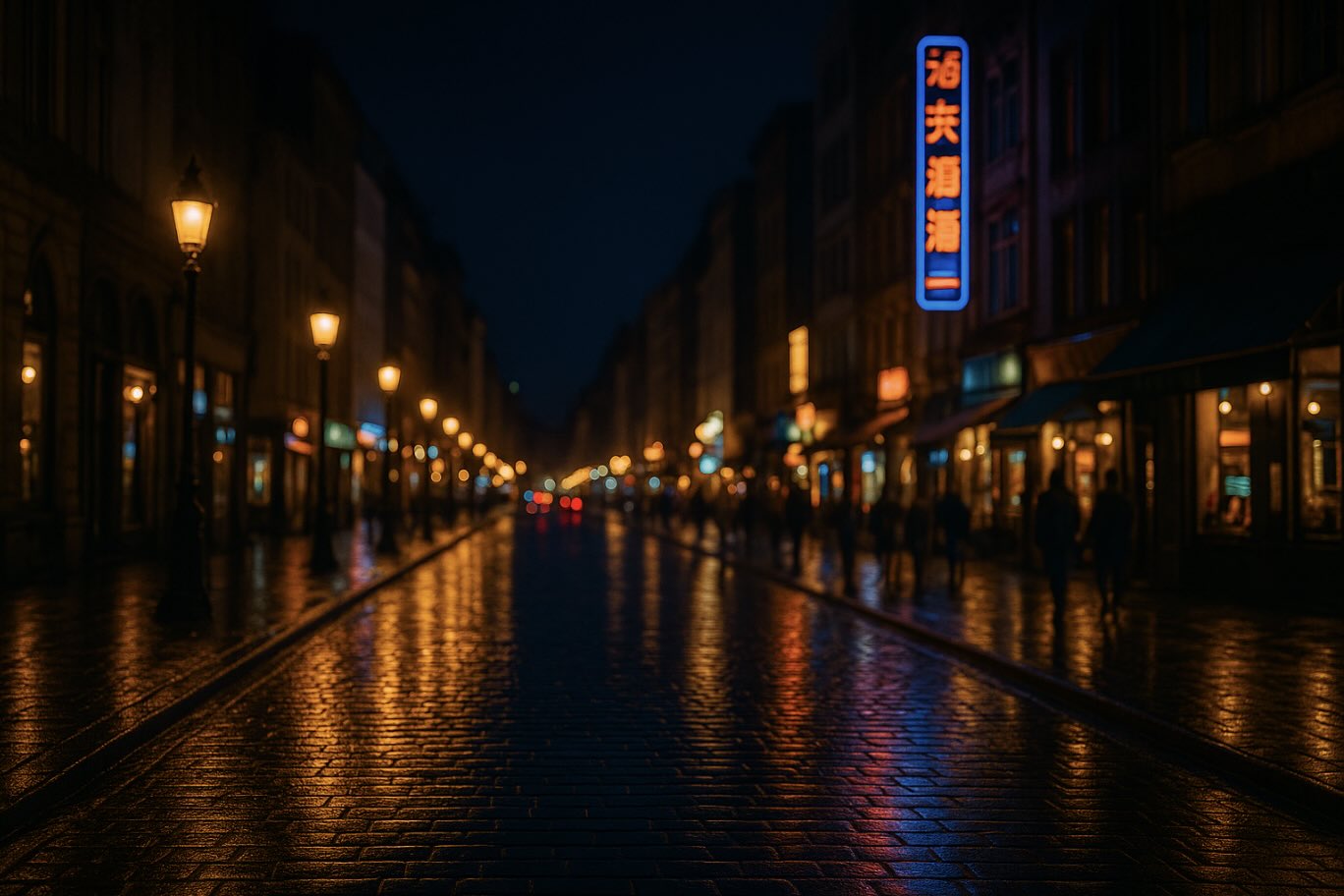
For travelers seeking comfort, flexibility, and style, having access to a vehicle opens up possibilities that public transport often cannot provide. Affordable options like cars for sale or rentals let you explore safely and efficiently, giving you the freedom to discover the city after dark without limits.
Planning Your Nighttime Journey
Preparation is key to maximizing nighttime experiences. Understanding the layout of the city, identifying safe areas, and planning key destinations in advance ensures that your evening is seamless. Nighttime routes can be shorter or more direct than daytime travel, but it is essential to consider lighting, traffic, and local regulations. Having a vehicle provides the advantage of moving freely between attractions, restaurants, and entertainment hubs.
For those interested in immersive experiences, mapping out cultural venues, scenic viewpoints, and late-night eateries enhances the journey. With a personal or rented car, you can create a route tailored to your interests, moving at your own pace without the constraints of timetables or ride-share availability.
Choosing the Right Vehicle
The choice of vehicle can significantly affect your nighttime travel experience. Compact cars provide efficiency and ease of parking, while luxury vehicles enhance comfort and style. For group trips, SUVs or larger vehicles offer more space for passengers and luggage. Whether purchasing from cars or opting for a rental, selecting a vehicle that fits your travel needs ensures both convenience and enjoyment.
Comfortable seating, reliable navigation systems, and good lighting are important for nighttime driving. A well-maintained car enhances safety while allowing travelers to focus on the experience rather than vehicle concerns.
Discovering Nightlife and Late-Hour Attractions
Cities come alive after sunset with a wide array of cultural, culinary, and entertainment experiences. From music venues and theaters to rooftop bars and night markets, nighttime offers unique opportunities to connect with local culture. Driving between these destinations allows travelers to experience a variety of locations in a single evening.
Parking near popular areas and planning stops strategically helps avoid congestion and saves time. For students and budget-conscious travelers, nighttime exploration is often more affordable than daytime alternatives, as attractions may have discounted entry fees or fewer crowds.
Scenic Drives and Night Photography
One of the most enchanting aspects of nighttime travel is the city’s illuminated skyline. Scenic drives along waterfronts, historic streets, or elevated viewpoints offer unparalleled opportunities for photography and reflection. With a vehicle at your disposal, you can stop at vantage points, capture long-exposure shots of city lights, and enjoy the quiet beauty of the city after dark.
Nighttime drives also allow for spontaneous detours, such as visiting a late-night café or exploring a lesser-known neighborhood. This freedom is particularly valuable for travelers seeking a more authentic, off-the-beaten-path experience.
Safety Tips for Nighttime Travel
Safety should always be a priority when exploring cities after dark. Ensure your vehicle is in excellent condition, with working headlights, brakes, and tires. Plan your route to avoid high-risk areas and have emergency contacts readily available. Traveling with companions, maintaining situational awareness, and keeping valuables secure further enhances safety.
Using a well-maintained vehicle from reputable sources ensures reliability and peace of mind. Knowledge of local traffic laws, speed limits, and parking regulations also contributes to a smooth and safe experience.
Enhancing the Experience with Style and Comfort
Luxury vehicles or high-performance models add a layer of excitement to nighttime travel. Driving through the city in a sleek car enhances the ambiance, turning a simple ride into a memorable event. Comfortable seating, smooth handling, and premium features allow travelers to focus on the sights, sounds, and atmosphere rather than fatigue or discomfort.
For enthusiasts and collectors, options such as a second hand Porsche offer both style and performance, transforming nighttime drives into an unforgettable adventure. Whether attending events, visiting late-night attractions, or enjoying a scenic route, a high-end vehicle provides a perfect combination of practicality and sophistication.
Planning Multi-City Night Trips
Nighttime travel is not limited to a single city. With access to a vehicle, travelers can plan multi-city routes, combining cultural experiences, fine dining, and scenic drives across different regions. Thoughtful planning of stops, accommodations, and attractions ensures that the journey is continuous, exciting, and manageable.
Flexibility is key. Having your own car or access to affordable vehicles lets you adjust plans spontaneously, allowing for longer stays in particularly captivating locations or unplanned detours to local gems.
Conclusion
Exploring cities after dark offers a completely new perspective and can create unforgettable experiences. With thoughtful planning, the right vehicle, and attention to safety, nighttime travel becomes both enjoyable and efficient. Options like cars for sale provide practical access to transportation, while premium choices like a Porsche elevates the experience with comfort, style, and performance. Whether for solo exploration, a romantic evening, or group adventures, traveling by car after dark transforms the city into a world of possibility, discovery, and unforgettable memories.