Dec 03 (News On Japan) - Superman is suddenly appearing far more often at Japan’s biggest cosplay events—from Ikebukuro Halloween to Comiket—and not in a casual or ironic way.
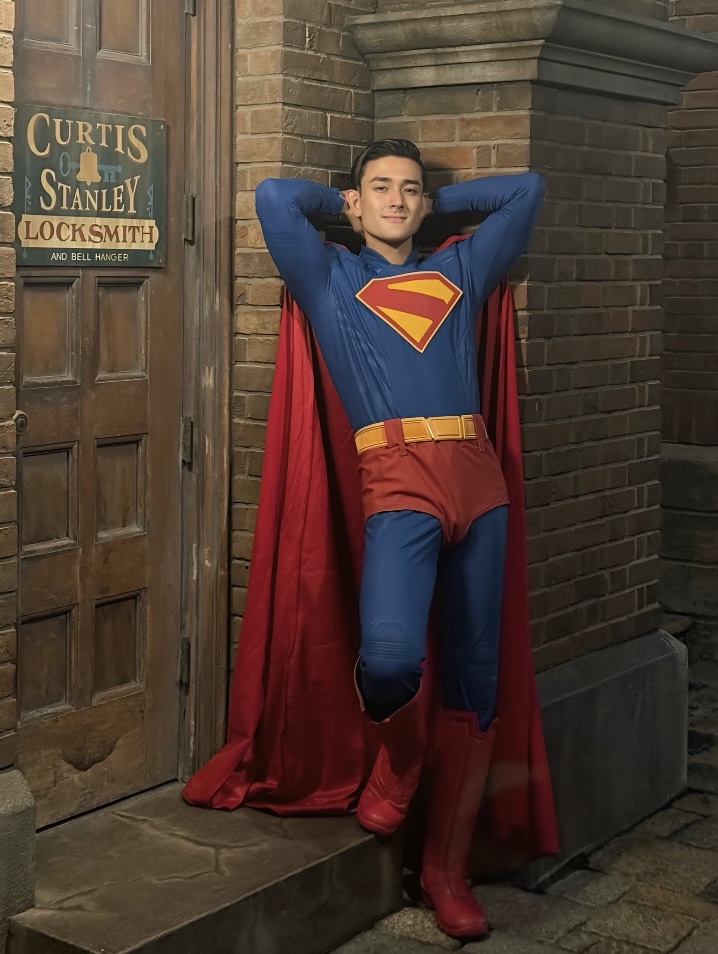
Highly detailed versions of the suit are showing up in photos, studio shoots, and crowd gatherings, hinting at a real shift in Japan’s cosplay priorities. This isn’t just a new character trend; it reflects how Japan’s image-driven cosplay culture is evolving and why Superman now fits it so well.
So what’s driving this rise—and what does it mean for cosplayers choosing their next suit?
Japan’s Cosplay Culture Makes Superman Surprisingly “Compatible”
To understand why Superman blends so naturally into Japan’s cosplay scene, you have to look at how cosplay is practiced here. In Japan, cosplay isn’t simply about putting on a costume—it’s about building images.
Step inside a Tokyo studio like HACOSTA or Crown, and you’ll see it instantly. A cosplayer flips their cape again and again to test the airflow. A photographer lies almost flat on the floor to capture an upward angle. Assistants check how shadows fall across the suit’s texture, making tiny adjustments to lighting that most people would never notice.
This image-driven culture naturally favors characters who cooperate with light and movement:
- bold, readable colors
- structured silhouettes
- iconic symbols
- dramatic motion
- textures that come alive under LEDs
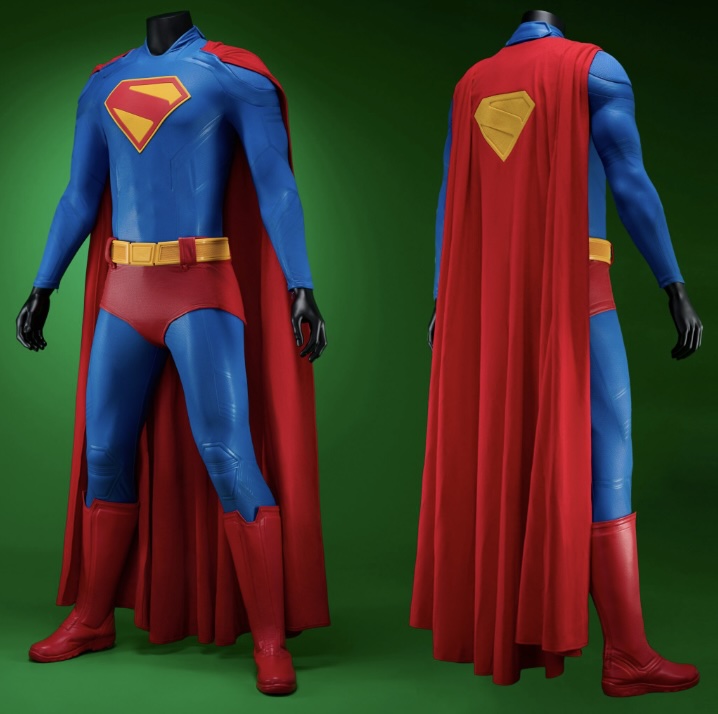
And that’s exactly why more Japanese creators are turning to a high-detail superman costume—a suit that keeps its structure under studio lighting, holds color in both indoor and outdoor shoots, and doesn’t collapse when the wearer strikes a dynamic pose.
In Japan’s photography-first cosplay environment, a costume isn’t judged only by accuracy—it’s judged by how reliably it performs on camera.
Superman, unexpectedly, checks every box.
Why Western Superheroes—and Especially Superman—Are Quietly Returning in Japan
Japan’s cosplay spaces have long been dominated by anime, manga, and tokusatsu. But in the past two years, western heroes have started showing up more often—especially in TikTok edits and Instagram reels.
Short clips of Superman cape shots, dramatic flight poses, and textured suit close-ups began circulating widely. One cosplayer from Osaka told me:
“I didn’t plan to try a western hero.
But the photos were so cool that I couldn’t get them out of my head.”
What makes Superman particularly accessible to Japanese cosplayers is how naturally he fits into the hero archetype they already understand:
- unwavering moral center
- protection of the weak
- responsibility
- dramatic yet sincere storytelling
These are themes deeply rooted in shonen manga and classic tokusatsu, which makes Superman feel familiar rather than foreign.
And for anyone curious about what actually makes a Superman suit look cinematic—the emblem height, the fabric texture, the way the cape attaches—there’s a more detailed breakdown you can Learn More from, especially if you’re considering upgrading your suit beyond an entry-level option.
Why Superman in Particular? Three Practical Reasons
After attending multiple events and speaking with cosplayers and photographers, three practical explanations stood out.
Strong Visual Performance in Photography
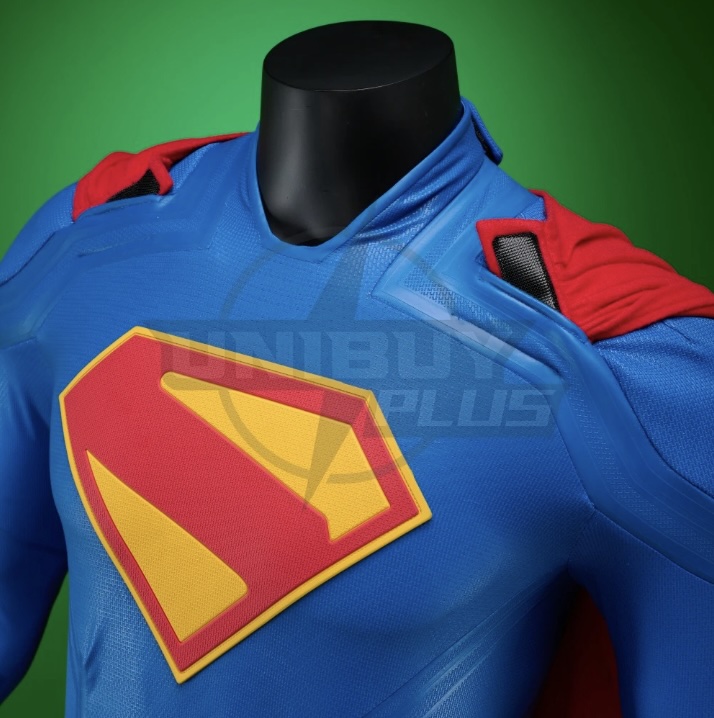
Superman’s suit interacts exceptionally well with light. Even modest studio setups can highlight the depth of the texture, cast natural shadows from the chest emblem, and capture cape movement.
A Shibuya photographer explained:
“Superman is one of the few characters who looks powerful even when the lighting isn’t perfect.”
Immediate Recognition in Crowded Venues
At large gatherings—especially Ikebukuro Halloween, which drew over 20,000 participants in 2023—recognition matters. Superman’s saturated colors and emblematic silhouette make him identifiable from meters away, helping photographers capture usable shots quickly.
High Craftsmanship Value Without Heavy Props
Many Japanese cosplayers treat Superman as a “skill-building character.” The suit rewards precision—texture, fit, emblem shape—without the logistical challenges of armor or large props.
It is challenging enough to feel meaningful, but accessible enough to attempt without specialized equipment.
High-Detail Suits Are Driving the Trend Forward
A notable difference between now and a decade ago is the availability of better suits. Improvements in 3D printing, stretch fabrics, and textured materials have allowed makers to create versions of the suit that photograph far better than earlier options.
Japanese cosplayers pay close attention to factors such as:
- emblem depth and shadow
- dimensional texture vs. flat printing
- cape attachment and flow
- color performance under mixed lighting
- mobility for action poses
A suit that looks fine to the naked eye may fail under camera lights, causing colors to wash out or textures to disappear. In Japan’s photo-centric cosplay climate, this distinction is critical.
As one cosplayer in Yokohama put it:
“If the suit doesn’t hold up on camera, it doesn’t matter how good it looks in person.”
High-detail Superman suits reliably deliver the “cinematic” effect that many creators seek.
Event Trends Make the Shift Impossible to Ignore
Across Japan’s major cosplay gatherings, the rise of Superman is being reflected in small but persistent ways.
Ikebukuro Halloween (Tokyo)
With its wind-friendly street layout and a massive turnout each year, the event has become an unofficial stage for cape movement shots. Photographers often cluster around Superman cosplayers because the results are so consistently dynamic.
Comiket (Tokyo Big Sight)
Japan’s largest doujinshi festival—hosting over 140,000 attendees per day—has seen more “dual-role” cosplayers: anime in the morning, Superman in the afternoon. It reflects a desire for variety and experimentation.
Studio Shoots
Tokyo’s studio photographers increasingly recommend Superman for creators practicing action poses or learning cape techniques, simply because the costume reacts so well to controlled lighting.
Street Photography
Urban environments in Shibuya, Odaiba, and Ueno often flatten darker costumes. Superman’s color palette, by contrast, stands out sharply against concrete, neon, and reflective surfaces.
Together, these micro-trends paint a consistent picture: Superman is becoming a practical and visually rewarding choice in modern Japanese cosplay.
What Superman Represents to Today’s Japanese Cosplayers
Beyond visual appeal, the character’s emotional significance also resonates in today’s Japan.
A Post-Pandemic Desire for Positivity
Many young creators speak about seeking characters who feel uplifting or hopeful. Superman’s symbolic optimism connects strongly with that sentiment.
A Familiar Hero Structure
Japanese audiences already understand the moral framework Superman represents. Instead of feeling foreign, he feels aligned with long-standing storytelling traditions.
A Character That Elevates a Portfolio
As one Nagoya-based cosplayer said:
“Superman forced me to improve my posing.
The suit reveals everything.”
For creators aiming to refine their craft, this challenge is both motivating and rewarding.
Final Thoughts: A Trend with Staying Power
After observing multiple events, reviewing thousands of social posts, and speaking with creators and photographers across Japan, the trend is clear:
Superman’s rise in Japan’s cosplay scene is not temporary—it is structural.
It is propelled by:
- Japan’s photography-first cosplay culture
- renewed curiosity about western heroes
- emotional alignment with current youth sentiment
- and the growing availability of high-detail suits that perform reliably on camera
For cosplayers planning their next major project, Superman offers a rare combination:
- visual strength, emotional resonance, and creative challenge.
And in Japan’s highly visual cosplay environment, that combination ensures the trend is likely to continue.