The flight from Narita lands just after sunset, and by the time the taxi clears the terminal the air has already made its point: warm, salt-tinged, a shade heavier than the one you left behind that morning.
For a growing number of Japanese travellers, this first breath of Manila or Cebu has turned into an annual habit. The Philippines sits close enough for a long weekend and far enough to feel like a proper escape.
For years, Japanese holidaymakers looked east to Hawaii or hopped north to Korea. Lately the archipelago south of Taiwan has been quietly winning them over.
A short flight into a different rhythm
Much of the appeal comes down to geography. Manila is roughly four hours from Tokyo, and the southern islands are closer still, which makes a Friday-night departure and a Sunday-night return genuinely workable. English is spoken almost everywhere, the peso stretches comfortably against the yen, and the paperwork for a short stay is light.
The numbers back up the mood. The Philippines welcomed 27 percent more Japanese visitors in 2024 than the year before, and tourism offices on both sides have noticed. Some of that is pent-up travel finally happening. A lot of it is word of mouth: someone comes back from Cebu with a tan and a phone full of reef photos, and their colleagues start pricing flights.
Cebu, Boracay and the islands that do the heavy lifting
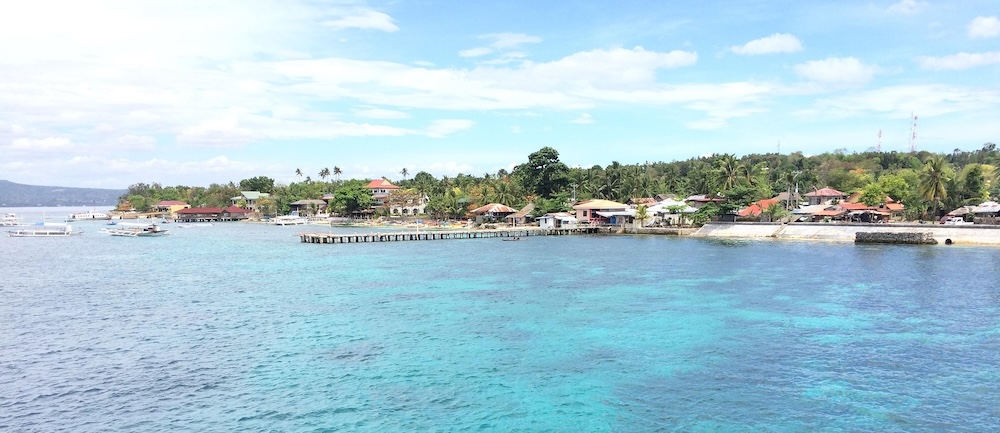
Most first trips orbit the coastline, and the coastline earns it. Cebu is the usual entry point, a city with an international airport, a dive scene on its doorstep, and whale sharks a short drive south in Oslob. Boracay still has the postcard sand that made it famous, cleaned up after its 2018 closure and rehabilitation. Palawan, further out, rewards anyone willing to trade a little convenience for lagoons that barely look real.
What has changed is how the country meets Japanese visitors halfway. You now hear Japanese menus read back without a blink, find konbini-style shops stocked with familiar snacks, and stumble onto attractions built with that audience in mind. Above Cebu City, for instance, a hillside garden recreates the feel of Kyoto, complete with temple gates and stone lanterns, a small piece of home for travellers who came all this way to leave it behind.
The gaming scene, from Entertainment City to your phone
Manila's other headline draw runs along the bay. Entertainment City is a stretch of integrated resorts, names like Okada Manila, Solaire and City of Dreams, where casino floors sit under the same roof as hotels, theatres, spas and a long lineup of restaurants. For a lot of visitors the appeal is the whole package rather than the tables: a buffet, a show, and maybe an hour at the slots before bed.
All of it runs under the eye of PAGCOR, the state regulator that licenses casinos and sets the rules operators have to follow. That framework matters, because it is what separates a legitimate venue from a fly-by-night one. The minimum age is 21, both on the floor and online, and the resorts themselves push the same message the regulator does: gambling is meant to be entertainment, not a way to make money, and knowing when to stop is part of the fun.
That regulated backdrop extends to the phone in your pocket. Plenty of travellers like to get a feel for the games before they arrive, and it is common to read guides that compare licensed online casinos in the Philippines before deciding whether to bother at all. The same ground rules apply on a screen as on the floor: you have to be 21, the site should be properly licensed, and any budget is better set before you start than halfway through.
Making the trip feel effortless
The practical stuff is where the Philippines makes life easy for a Japanese visitor. Grab handles the taxis. Cash is still king outside the cities, so a stack of small peso notes saves a lot of fumbling. Tipping is appreciated but modest, nothing like the choreography some destinations expect.
Food is the sleeper hit. Beyond the obvious lechon and adobo, the sour-savoury pull of sinigang and the sweet-salty mess of a good halo-halo tend to convert sceptics fast. Portions are generous, prices are gentle, and nobody minds if you order two mains and call it research.
None of this is a hard sell, and that is rather the point. The Philippines has slipped onto the Japanese travel radar not through a single campaign but through a run of good weekends, each one sending a few more people home with a half-formed plan to go back. A short flight, a warm welcome, and a rhythm that asks very little of you: for a getaway, that turns out to be plenty.