


Shortages of thinners, paints, adhesive tapes and other petroleum-derived products are continuing to spread across Japan, raising questions about whether supply disruptions can still be explained solely by distribution bottlenecks.
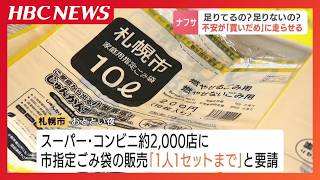
Concerns over instability in the Middle East show little sign of easing, and the effects are increasingly being felt in everyday life across Japan. Supply chain disruptions linked to petroleum-based materials are now affecting everything from household goods to public infrastructure projects.
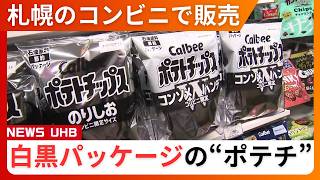
More than 1,000 food products and other consumer goods will see price increases from June, with the effects of instability in the Middle East now reaching supermarket shelves in unexpected ways, including the appearance of black-and-white potato chip packages.

The “naphtha shortage” triggered by escalating tensions in the Middle East is now spreading into Japan’s housing industry, with shortages of paint, thinner, insulation materials and other building products forcing construction delays across the country.

Rising tensions surrounding the closure of the Strait of Hormuz are beginning to ripple through Japan’s economy, with higher energy costs and shortages of petroleum-based materials threatening to accelerate inflation just as the country heads into another extremely hot summer.

Construction projects across Japan are being suspended as shortages of paint, thinner and waterproofing materials linked to worsening tensions in the Middle East place mounting pressure on small and midsize builders, with some contractors warning they may soon be forced out of business.