News On Japan

Japan Depopulation Accelerates

TOKYO - Japan's Japanese-national population fell below 120 million as the country recorded its largest annual decline since comparable data began, according to a survey released Wednesday.

The population stood at 119,736,483 as of January 1, 2026, down 916,744 from a year earlier, according to a demographic survey released by the Ministry of Internal Affairs and Communications.

The decrease was the largest since the survey began in 1968.

By prefecture, Tokyo recorded population growth for a third consecutive year, while the population continued to decline in the other 46 prefectures.

Japan’s population expanded rapidly in the years following World War II, rising from about 72 million in 1945 to more than 84 million in 1950. The increase was driven partly by the return of Japanese citizens from former overseas territories and by the first postwar baby boom from 1947 to 1949.

Growth continued during the decades of rapid economic development. The population reached about 94 million in 1960, surpassed 100 million in 1967 and climbed to nearly 112 million by 1975. A second baby boom from 1971 to 1974 contributed to the expansion, while industrialization and urban migration concentrated an increasing share of the population in Tokyo, Osaka, Nagoya and other major metropolitan areas.

The pace of growth began to slow after the 1970s as families became smaller, marriage was increasingly delayed and the birthrate declined. Japan’s population rose from about 117 million in 1980 to more than 123 million in 1990, but gains became progressively smaller. Between 2000 and 2005, the population increased by only 0.7%, compared with growth of 7% between 1970 and 1975.

The working-age population reached its peak earlier than the country’s total population. The number of people aged 15 to 64 climbed from about 50.17 million in 1950 to a high of 87.16 million in 1995 before beginning a sustained decline. This marked a fundamental demographic shift as the large postwar generations aged and fewer young people entered the workforce.

Japan’s total population reached approximately 128 million around 2008 and entered a prolonged period of decline. By the 2010 census, the population stood at 128.06 million, but falling births and rising deaths increasingly outweighed gains from immigration. The decline has since accelerated as the first postwar baby-boom generation moves into advanced age and the number of women of childbearing age continues to shrink.

The latest figures show that the Japanese-national population fell below 120 million as of January 1, 2026. The decline reflects a demographic reversal spanning several generations: the rapid postwar expansion that supported Japan’s economic rise has given way to a shrinking and aging society, with population losses now affecting every prefecture except Tokyo.

Source: テレ東BIZ

News On Japan
POPULAR NEWS

Typhoon No. 17 (Nangka) remained near Minamitorishima as of 3 a.m. on August 14 and is expected to stay relatively weak, but forecasters warned that high waves and sudden swells could affect Japan's Pacific coast, posing a risk to swimmers and others enjoying marine activities during the summer holiday period.

A Level 5 heavy rain emergency warning was issued for more than 20 municipalities in Chiba Prefecture on August 13 after a linear rainband formed over northwestern and southern parts of the prefecture, bringing torrential rainfall exceeding 100 millimeters per hour in several locations and causing widespread flooding, stranded vehicles and damage to buildings.

Google opened its first flagship store in Japan in Tokyo's Omotesando district at 2 p.m. on August 13, marking the company's first flagship retail location outside the United States.

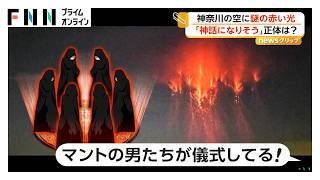
A mysterious red light stretching vertically across the night sky over Kanagawa Prefecture has been identified as a rare "sprite," a brief luminous phenomenon that occurs high above thunderclouds at roughly the same time as powerful lightning strikes.

Street performances began across Tokushima on August 12 as the city's Awa Odori festival entered its second day, with leading dance groups showcasing graceful routines after months of practice.

MEDIA CHANNELS
         

MORE Society NEWS

Two pet pythons measuring about 2 meters in length escaped from an apartment in Kawasaki's Tama Ward early on August 13, prompting police and firefighters to search the surrounding residential area and warn local residents.

Fifteen days after the Kumamoto earthquake, restoration of electricity and transport infrastructure is progressing, but thousands of people are believed to remain outside official shelters, while rising construction costs and interest rates are creating new challenges for rebuilding homes and restoring livelihoods.

Two teenage boys from Tokyo's Adachi Ward have been arrested on suspicion of stealing a motorcycle and firing aerial fireworks toward police officers at two police boxes, telling investigators they were annoyed that a new police box had opened in the area.

Hiroko Saito was 19 years old when she left Japan for North Korea in June 1961 with her Korean husband and their one-year-old daughter, persuaded by assurances that they were heading to a "paradise on earth" and that she could return to Japan after three years. Instead, she would spend four decades in North Korea, enduring chronic hunger, the deaths of her husband and children and a desperate struggle to survive before finally escaping and returning home in 2001.

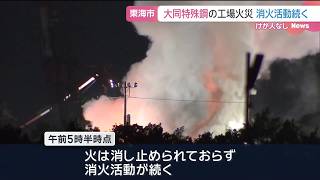
A fire broke out late on August 11 at Daido Steel's Chita Plant in Tokai, Aichi Prefecture, burning through an outdoor area containing scrap metal and other materials, with no injuries reported and no flames spreading to nearby buildings.

Two weeks after the Kumamoto earthquake, the spread of malicious fake images has emerged as a problem in disaster-hit communities, with one resident saying the manipulation feels like an insult to everyone in his area.

Osaka Prefectural Police searched an office linked to the Yamaguchi-gumi crime syndicate in Toyohashi, Aichi Prefecture, on July 29 as part of an investigation into suspected receipt of money obtained through special fraud.

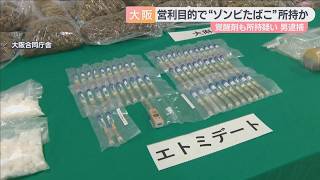
Authorities in Kyoto and Osaka have arrested three men in separate drug cases involving so-called zombie cigarettes containing the designated drug etomidate, as investigators step up efforts against the illegal trade in the Kansai region.