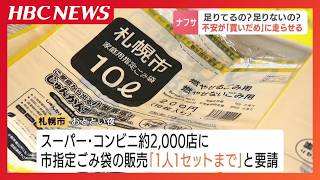

TOKYO - Free roll-type plastic bags once available to shoppers at supermarkets are being removed one after another as shortages of naphtha, a petroleum-derived raw material used in plastic production, spread across Japan amid ongoing tensions in the Middle East.
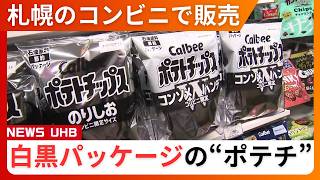
The shortages are already affecting familiar consumer products, with packaging for snacks and seasonings being redesigned or altered as manufacturers struggle to secure plastic materials.
“The situation in the Middle East is affecting plastic products, including shopping bags, and shortages are becoming increasingly serious,” said Satoshi Yamakawa, president of Maruko Store.
According to the retailer, manufacturers have informed the company that shipment restrictions on plastic bags may soon become unavoidable due to difficulties securing raw materials.
Shoppers voiced frustration over the changes, with some saying, “What are we supposed to do?” and “This is really a problem for people who rely on them.” Others said many customers had depended heavily on the free bags and that ordinary consumers were always the ones affected during periods of international instability.
While the supermarket plans to discontinue freely available plastic bags, it said it will continue providing plastic bags at checkout for raw items such as meat and fish.
The effects of the Middle East crisis are gradually spreading deeper into everyday life across Japan.
On May 15th, Economy, Trade and Industry Minister Ryosei Akazawa reiterated that Japan has secured sufficient supplies of crude oil and petroleum-related products through the release of strategic reserves and alternative procurement from other countries.
However, concerns are now spreading to the mushroom industry, long regarded as one of Japan’s more stable and affordable food sectors.
At Tsukiyono Kinokoen, a mushroom cultivation company in Minakami Town, Gunma Prefecture, President Takanori Kaneko said shortages of plastic materials were beginning to affect production.
“Enoki, eringi and bunashimeji mushrooms are cultivated in plastic bottles, but suppliers are telling us they cannot obtain the raw materials,” Kaneko said.
In addition to difficulties obtaining plastic cultivation containers, bags used for mushroom growing beds are also becoming scarce, with prices expected to rise by 20% to 30% in the near future.
“The scariest thing is products disappearing altogether,” Kaneko said. “If supplies are available, we’ll buy them and try to reduce costs elsewhere.”
At the Tokyo pasta restaurant Itaria Kozou, a soy sauce-flavored mushroom pasta remains one of the shop’s most popular dishes.
Although the restaurant has not yet seen major changes in mushroom supply volumes or prices, owner Hideo Negishi expressed concern about future cost increases.
“With oil prices and petroleum-related products like this, trays and packaging are probably going to become more expensive,” Negishi said. “For now, we’ll do our best to avoid raising prices.”
The shortage is also beginning to affect products considered essential during Japan’s summer typhoon and heavy rain season.
At Hagiwara Industries in Kurashiki, Okayama Prefecture, the company manufactures leisure sheets and blue tarps commonly used outdoors and during disasters.
Because most of its products are derived from naphtha-based materials, the company has been forced to raise prices by more than 15% since April.
The company also manufactures sandbags used to secure blue tarps on damaged roofs after storms and typhoons. However, executives say there is no clear outlook for stable supplies of these products after July, making the procurement of raw materials for disaster supplies an urgent issue.
Amid the shortages, some businesses are attempting to reduce plastic use through customer cooperation programs.
At Bakery Sanpomichi in Ishinomaki, Miyagi Prefecture, the store posted an “urgent request” on social media asking customers to bring reusable bags or food containers due to unstable supplies of bread bags and plastic shopping bags.
Customers who bring their own storage containers receive a 5% discount at checkout.
The bakery uses around 100 plastic bread bags a day, but wholesalers are reportedly running out of stock, while supermarkets have also begun limiting purchases.
The owner said the store hopes to avoid raising prices by asking customers for assistance instead.
Similar measures are being introduced elsewhere.
At the wagashi shop Wagashi Kono Wa in Munakata, Fukuoka Prefecture, packaging material costs have risen by around 20% compared to mid-March.
Many of the small trays and plastic wrapping materials used for traditional Japanese sweets are made from naphtha-derived products. Since March, customers who bring their own plates or containers have received a 30-yen discount per item purchased. Buying seven sweets, for example, results in a 210-yen discount.
According to wholesalers, the delivery schedule for packaging materials remains uncertain.
The shop owner said reducing dependence on petroleum benefits everyone involved, lowering material and environmental burdens for stores while also providing savings for customers.
Meanwhile, the website Refill Japan has been gaining attention by helping consumers search for stores across Japan that support the use of personal containers and refillable bottles.
The site lists shops encouraging customers to bring reusable containers, as well as refill stations for personal water bottles, offering consumers new ways to reduce packaging waste while coping with ongoing shortages.
Previously: Is Japan Really Running Short of Naphtha?
Source: FNN