TOKYO - The “naphtha shortage” triggered by escalating tensions in the Middle East is now spreading into Japan’s housing industry, with shortages of paint, thinner, insulation materials and other building products forcing construction delays across the country.
Although the government insists that sufficient supplies have been secured nationwide, contractors and manufacturers on the ground say critical materials are still failing to reach worksites, exposing growing bottlenecks throughout the supply chain.
At a detached home in Osaka Prefecture undergoing exterior wall renovations since May 7th, work has repeatedly stalled due to shortages of paint derived from naphtha.
“The project hasn’t been progressing smoothly at all,” a contractor said. “We couldn’t obtain the paint needed for the exterior walls, so construction stopped.”
The contractor explained that after placing an order, the paint did not arrive for roughly three weeks, allowing renovation work to resume only in mid-May. Similar disruptions are occurring at other sites, including projects delayed by shortages of roofing materials.
The impact is spreading nationwide. Major developer Mitsui Fudosan has reportedly notified buyers that housing handovers could be delayed due to unstable supplies of construction materials using naphtha-based products.
Last month, Toto temporarily halted orders for unit baths because of shortages of adhesives and other materials, while major housing equipment manufacturer Lixil announced plans to sequentially raise prices on toilets, kitchens and other products from August onward.
Japan imports roughly 60% of its naphtha from overseas, with more than half sourced from the Middle East, leaving the country heavily dependent on the region.
The government maintains there are no immediate supply concerns.
“We have not received reports indicating immediate supply problems regarding naphtha, and we recognize that Japan as a whole has secured the necessary volume,” a government official said.
However, many businesses remain unconvinced.
“There will honestly be companies that go bankrupt because of financial strain,” one industry official said. “I would actually like to ask what basis the government has for saying supplies are sufficient.”
At a custom-home builder in Osaka City, staff explained that many essential construction materials rely on naphtha-derived products, including plastic insulation materials, waterproof sheets and protective tapes.
Insulation materials alone have risen by about 40% in price as procurement becomes increasingly difficult.
“From around mid-April, notices of price increases for construction materials started arriving one after another,” the company said. “It’s difficult to simply ask customers for another 2 million yen after a contract has already been signed.”
The company warned that smaller firms are being forced to absorb mounting costs, placing severe pressure on their finances.
Particularly serious is the shortage of paint solvents and thinners used in coatings.
Under normal conditions, naphtha refined from crude oil is processed by petrochemical companies into solvents, which are then shipped through trading firms to paint manufacturers before reaching wholesalers and painting contractors.
But contractors at the downstream end of the supply chain say products have become increasingly difficult to secure.
A 74-year-old paint wholesaler in Nishinomiya, Hyogo Prefecture, said inventory levels collapsed from mid-March.
“Normally these shelves would be stacked three or four levels high,” the wholesaler said while pointing to near-empty storage areas. “Since the second half of March, almost nothing has been coming in.”
Manufacturers have even stopped accepting some orders, leaving wholesalers unable to secure supplies for customers.
“We can receive orders from contractors, but we can’t deliver the required quantities,” the wholesaler said. “That’s the biggest problem.”
At a small paint factory in Osaka’s Hirano Ward employing about 20 workers, staff said shortages of solvents began worsening in mid-March.
The manufacturer, which usually relied on existing trading partners, was forced to contact around 10 additional suppliers just to secure materials from two companies.
Although conditions have shown slight improvement since May, surging orders since late March continue to overwhelm production capacity.
“Our production manager has been in this industry for 40 years and says he’s never seen anything like this,” the company president said. “Even if we produce and ship products every day, orders keep coming in nonstop.”
The company also faces repeated price hikes for solvents and raw materials.
“This is already the second price increase in two months,” one executive said during negotiations with a supplier.
Industry officials say the larger issue may now be soaring prices rather than physical shortages alone.
“The burden companies must carry before they can pass on higher prices to customers is enormous,” one manufacturer said. “We’re receiving requests for price increases on a scale we’ve never experienced before.”
Meanwhile, petrochemical manufacturers upstream in the supply chain say they are maintaining supply volumes comparable to last year.
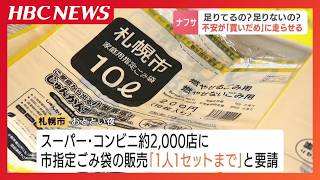
However, experts believe fears of shortages triggered panic ordering throughout the distribution network, with downstream contractors placing unusually large orders that manufacturers cannot keep up with.
Government officials last week identified several patterns contributing to the bottlenecks, including companies reducing allocations after suppliers left future shipment volumes undecided, delays in communicating supply recoveries, and contractors stockpiling products out of fear of future shortages.
Experts say the sharp drop in imports during March accelerated panic buying behavior.
“When companies tried to procure materials as usual and discovered they weren’t available, anxiety spread quickly,” one analyst said. “People began stockpiling inventory, especially in smaller markets, causing supplies to disappear all at once.”
Analysts warn that unless concerns surrounding the Strait of Hormuz ease, the disruptions are unlikely to end soon.
The confusion caused by the naphtha shortage is steadily draining the financial strength of small and midsize businesses, particularly in construction and manufacturing, as calls grow for the government to respond more quickly to stabilize supplies and prices.
More Related News: search: naphtha
Source: YOMIURI