News On Japan

Auto Repair Shops Report Lubricant Shortages

NAGOYA - The worsening situation in the Middle East is beginning to affect Japan’s automotive sector, with shortages of engine oil and other lubricants emerging alongside rising prices, creating mounting pressure across the industry.

Lubricants such as engine oil and brake oil are produced by petroleum refiners and oil manufacturers before being distributed through a complicated supply chain involving authorized dealers, trading houses, and wholesalers before finally reaching auto repair shops and retailers.

In some cases, products pass through as many as three separate trading companies before arriving at automotive service businesses. While repair shops and retailers have increasingly reported shortages, the government maintains that production volumes of engine oil and related products remain roughly in line with last year’s levels, indicating that supply exists at the manufacturing stage.

Authorities instead believe the problem lies in distribution. According to the government’s analysis, purchasing volumes exceeding those of the previous year have caused uneven supply flows and delays in deliveries. Some trading firms are reportedly seeking to secure larger quantities than last year, contributing to localized shortages being felt at the retail and repair level.

Attention is also focused on fuel prices. The latest figures show regular gasoline averaging 169.4 yen per liter nationwide, while prices in Aichi Prefecture stood at 162.9 yen. The lower prices in Aichi are believed to reflect intense competition due to the region’s large number of vehicles.

At the same time, the government’s gasoline subsidy program has less than 1 trillion yen remaining in its budget, and at the current pace analysts warn the funds could be exhausted before summer. If subsidies are reduced or eliminated, gasoline prices could rise further.

Additional upward pressure may also come from changes in Japan’s crude oil procurement strategy. More than 90 percent of Japan’s crude oil consumption last year depended on the Middle East. Following the attack on Iran in April, Japan compensated for reduced Middle Eastern imports by releasing oil from national reserves to avoid disruptions in overall consumption.

In May, Japan increased procurement from Middle Eastern producers that do not rely on the Strait of Hormuz, while also expanding imports from the United States, reducing the need for reserve releases. For June, the share of crude oil sourced from the United States is expected to rise further.

However, transporting crude oil from the United States involves far longer shipping distances than imports from the Middle East, increasing transportation costs and making it unlikely that crude prices will fall significantly.

Against this backdrop, attention is turning to the upcoming summit between the United States and China. With China maintaining close ties to Iran, markets are closely watching what discussions may take place between Chinese leaders and President Donald Trump during talks scheduled for May 19th.

Source: CBC

News On Japan
POPULAR NEWS

As of 9 p.m. on May 30th, Typhoon No. 6 (Chanthu) was continuing to strengthen as it moved northwest over waters east of the Philippines, with Okinawa expected to face the worst conditions from June 1st to June 2nd as the storm passes nearby at strong intensity, while heavy rain is also forecast across western and eastern Japan, particularly along Pacific coastal regions.

A social media dispute between a 17-year-old high school student from Tokyo's Itabashi Ward and a 16-year-old boy from Edogawa Ward escalated into a planned group fight involving around 30 youths, some of whom allegedly brought weapons including a rusty saw, iron pipes, a special baton and even a shovel.

Japan's population stood at 123.05 million in 2025, according to preliminary results from the national census released by the Ministry of Internal Affairs and Communications, marking a decline of 3.097 million people over the past five years.

Volleyball player Shunichiro Sato, a member of Japan’s men’s national team, was arrested by the Tokyo Metropolitan Police Department on suspicion of possessing marijuana after allegedly leaving a bag containing the drug at a pachinko parlor in Tokyo.

The “naphtha shortage” triggered by escalating tensions in the Middle East is now spreading into Japan’s housing industry, with shortages of paint, thinner, insulation materials and other building products forcing construction delays across the country.

MEDIA CHANNELS
         

MORE Oil Crisis NEWS

Concerns over instability in the Middle East show little sign of easing, and the effects are increasingly being felt in everyday life across Japan. Supply chain disruptions linked to petroleum-based materials are now affecting everything from household goods to public infrastructure projects.

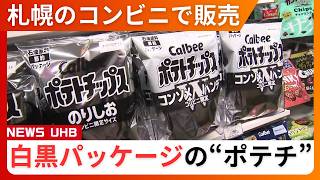
More than 1,000 food products and other consumer goods will see price increases from June, with the effects of instability in the Middle East now reaching supermarket shelves in unexpected ways, including the appearance of black-and-white potato chip packages.

The “naphtha shortage” triggered by escalating tensions in the Middle East is now spreading into Japan’s housing industry, with shortages of paint, thinner, insulation materials and other building products forcing construction delays across the country.

Rising tensions surrounding the closure of the Strait of Hormuz are beginning to ripple through Japan’s economy, with higher energy costs and shortages of petroleum-based materials threatening to accelerate inflation just as the country heads into another extremely hot summer.

Construction projects across Japan are being suspended as shortages of paint, thinner and waterproofing materials linked to worsening tensions in the Middle East place mounting pressure on small and midsize builders, with some contractors warning they may soon be forced out of business.

The crude oil tanker "Idemitsu Maru," which passed through the Strait of Hormuz, is scheduled to arrive at Nagoya Port around noon on May 25th, drawing attention as Japan faces a sharp decline in crude imports from the Middle East following the effective closure of the strategic waterway.

Japan’s imports of crude oil from the Middle East plunged 67.2% in April from a year earlier, as the impact of the effective closure of the Strait of Hormuz began to ripple through the country’s trade and energy supply chains.

TOTO, a major Japanese manufacturer of housing and bathroom equipment, reopened its showroom in London, England, on May 20th after undergoing its first major renovation in 16 years.