News On Japan

Reiwa Party Chief Steps Down Over Speeding and Health Issues

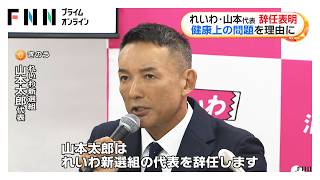
TOKYO - Taro Yamamoto, leader of Reiwa Shinsengumi, announced on July 10 that he will resign as party leader and retire from politics, citing both a speeding violation that resulted in criminal penalties and ongoing health problems.

"Tarō Yamamoto will resign as leader of Reiwa Shinsengumi. The reason is not only the speeding violation. It also involves my own health issues," Yamamoto said.

Addressing the speeding offense, Yamamoto said he "deeply regrets" the violation and acknowledged responsibility for his actions. He added that another reason for stepping down is his desire to focus on his recovery, saying he intends to "regain 100% of my health."

Yamamoto also announced that he will no longer seek public office, declaring, "I will never again become a member of the National Diet," signaling his retirement from politics.

Source: FNN

News On Japan
POPULAR NEWS

Dangerous heat is expected across a wide area from western to eastern Japan today, prompting authorities to issue heatstroke warning alerts for 17 prefectures, the highest number so far this year.

Japan has become an unexpected base of operations for Russian intelligence agents since Moscow’s invasion of Ukraine, with spies allegedly using the country to procure and smuggle high-tech equipment and other goods to Russia, The New York Times reported on July 12.

Convenience store operators in Japan are strengthening safety measures as bear-related damage grows more serious, with Lawson expanding the use of bear repellent spray and considering drone-based remote monitoring.

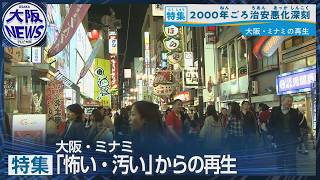
Osaka’s Minami district, now entering another period of major change with the planned opening of the Naniwasuji Line, the redevelopment of Midosuji and improvements around Nankai Namba Station, has transformed from an area once described as "scary" and "dirty" into one of Japan’s leading tourist destinations.

A 10-ton hoko float was pulled through central Kyoto on July 12 in a trial run ahead of the Yamahoko Junko procession during the Gion Festival's early parade.

MEDIA CHANNELS
         

MORE Politics NEWS

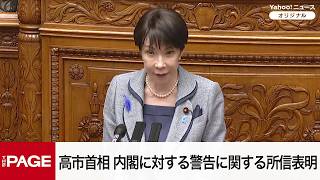
Prime Minister Sanae Takaichi moved to contain political pressure on July 14 by confirming that she will attend intensive Budget Committee deliberations later this week, as the final days of the Diet session turned into a test of her parliamentary management, economic policy credibility and conservative legislative agenda.

The Fukuoka Prefectural Assembly is facing mounting scrutiny over its use of public funds after revelations that assembly members spent about 45 million yen in one year on overseas inspection trips, including a Hawaii visit that cost nearly 12 million yen for four members.

Neyagawa in Osaka Prefecture has approved Japan's first citywide tax on vacant homes, imposing a new municipal levy at a rate of 35% on owners in addition to existing fixed-asset taxes from fiscal 2029.

Taro Yamamoto, leader of Reiwa Shinsengumi, announced on July 10 that he will resign as party leader and retire from politics, citing both a speeding violation that resulted in criminal penalties and ongoing health problems.

Prime Minister Sanae Takaichi’s economic strategy came under renewed scrutiny on July 8 as the government considered softening language in its long-term policy blueprint that had raised concerns over political pressure on the Bank of Japan, while the administration continued to face Diet tensions over its legislative agenda before the current session ends next week.

Japan, the United States and South Korea have agreed to work together to promote the introduction of next-generation small modular reactors, signing a memorandum of cooperation at a foreign ministers' meeting in Turkey on July 7.

Prime Minister Sanae Takaichi and Japan Innovation Party leader Hirofumi Yoshimura held talks on July 7 as Diet deliberations remained stalled over opposition resistance to two bills Ishin is seeking to pass, including legislation to cut the number of lawmakers and a bill to establish a secondary capital.

Opposition parties boycotted Diet deliberations after accusing the ruling bloc of forcing debate on bills to cut the number of lawmakers and create a secondary capital system, leaving committee sessions to proceed without them and exposing widening rifts not only between the ruling and opposition camps but also within the government and ruling coalition.