
News On Japan

Chinese National Arrested Over Fake Mobile Base Station in Tokyo

TOKYO - A 31-year-old Chinese national has been arrested in Tokyo on suspicion of operating an illegal mobile phone base station that forced more than 10,000 smartphones onto a 2G network in less than two hours, allowing phishing messages to be sent to unsuspecting users in busy shopping districts including Ginza, Shinjuku and Shibuya.

The Metropolitan Police Department arrested the suspect, identified as Hai Yu, at the scene in Tokyo's Ginza district on suspicion of violating the Radio Act by operating an unauthorized radio station and transmitting illegal radio signals from equipment installed inside a vehicle.

The arrest took place in a crowded commercial area, where investigators surrounded the suspect's vehicle and ordered bystanders to move away. Officers subsequently seized equipment from inside the car, including black and red cables and rectangular silver devices. One investigator observed that the radio transmitter appeared to have been left switched on.

Police believe Yu had turned the vehicle into a mobile fake base station capable of transmitting powerful radio signals that interfered with normal cellular connections.

Smartphones ordinarily connect to legitimate mobile phone towers using 4G or 5G networks. Investigators believe the equipment operated by Yu exploited the tendency of smartphones to connect to stronger signals, first disrupting their normal connections and then forcing vulnerable devices onto an unauthorized 2G network.

The system is believed to have affected smartphones within a radius of approximately 500 meters of the vehicle. Police said Yu drove through Ginza, Shinjuku and Shibuya, interfering with more than 10,000 smartphones in less than two hours.

Investigators suspect the primary purpose was to distribute phishing messages designed to trick recipients into revealing personal and financial information.

One man who reported experiencing a similar incident said his smartphone suddenly switched to a 2G connection while he was walking along a main street in Ginza, leaving him unable to access the internet.

He subsequently received a message written in Chinese claiming that his application account had encountered an abnormality and would be suspended. The message included a suspicious website address and instructed him to log in to a security center immediately, complete an authentication procedure and restore access to his account.

"It was extremely frightening," the man said. "I started imagining that my personal information might be stolen."

Police believe the fraudulent messages were intended to direct users to fake websites where they would be persuaded to enter credit card numbers and other sensitive personal information.

The Metropolitan Police Department has been receiving complaints about similar incidents for approximately two years. According to investigators, 18 people, including Chinese tourists, have reported receiving suspicious text messages while shopping and subsequently discovering unauthorized charges after registering their credit card information.

The reported financial losses total approximately 4 million yen, although police believe the known cases represent only a small fraction of the actual damage.

Investigators are examining whether the fake base station was connected to these earlier phishing incidents and whether similar equipment has been used elsewhere in Tokyo.

Yu denied wrongdoing when confronted by investigators, saying, "I have not done anything illegal."

During subsequent questioning, he continued to deny the allegations, stating, "I did not put any radio equipment in the vehicle, and I know nothing about it."

Police suspect the operation was part of an organized criminal scheme rather than an isolated offense and are continuing their investigation to establish the full extent of the activity, identify others who may have been involved and determine the scale of the resulting financial losses.

Source: TBS

News On Japan
POPULAR NEWS

Japan launched a new national disaster management agency on November 2nd to strengthen its response to major emergencies, just days before a powerful earthquake struck Aichi Prefecture, injuring 24 people and renewing concerns over the possibility of a catastrophic Nankai Trough earthquake.

Northern Japan experienced record-breaking cold on the morning of November 11th, with temperatures plunging to minus 20.2 degrees Celsius in Horokanai, Hokkaido, marking the first time in Japan's recorded history that temperatures have fallen below minus 20 degrees during the first half of November.

East Japan Railway (JR East) announced on November 10th that it will introduce touch-free ticket gates at 40 stations, including every station on Tokyo's Yamanote Line, from spring 2028, allowing passengers using Mobile Suica to pass through without taking their smartphones out of their pockets or bags.

Japan's Children and Families Agency unveiled its first national guidelines on November 10th for parental involvement in children's internet use, dividing those aged 0 to 18 into six developmental stages as the government considers tighter regulations on social media platforms to protect young people from online bullying, exploitation, and other growing risks.

As of 3 a.m. on Wednesday, November 11, Typhoon No. 32 was moving east-northeast over waters east of Chichijima in the Ogasawara Islands, gradually heading away from the Japanese archipelago after passing near the island between late Tuesday night and early Wednesday morning.

MEDIA CHANNELS
         

MORE Society NEWS

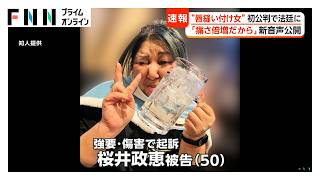
A 50-year-old woman accused of forcing her housemate to sew her own lips shut with a needle and thread admitted all charges at her first court hearing on November 11th, as prosecutors played disturbing audio recordings of the threats used to coerce the victim during an incident in Koga, Ibaraki Prefecture, in June 2026.

A 26-year-old woman from Nagoya has been arrested on suspicion of defrauding men by encouraging them to develop romantic feelings for her before repeatedly requesting money, with 13 men reporting losses totaling approximately 30 million yen in a scheme resembling the notorious "Itadaki Joshi" romance fraud case.

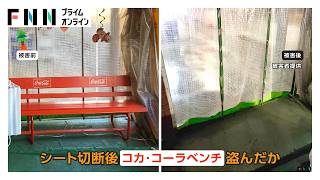
A rare red Coca-Cola bench was stolen from outside a prepared-food shop in Nagareyama, Chiba Prefecture, in the early hours of October 24th, with the owner suspecting the thieves intended to resell the collectible item to enthusiasts after similar benches were found listed online for as much as 180,000 yen.

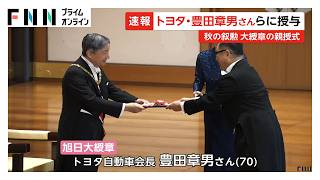
Emperor Naruhito presented prestigious Grand Cordon decorations to Toyota Motor Chairman Akio Toyoda and other recipients of Japan's autumn honors at a ceremony held at the Imperial Palace on November 10th, recognizing their longstanding contributions to the country and society.

A 26-year-old yakuza member suspected of sending young women he met in Tokyo's Kabukicho entertainment district to Cambodia to work as telephone scammers has been arrested for the eighth time, this time on suspicion of conspiring with two women to defraud a man in his 30s of 9.5 million yen.

A 31-year-old Chinese national has been arrested in Tokyo on suspicion of operating an illegal mobile phone base station that forced more than 10,000 smartphones onto a 2G network in less than two hours, allowing phishing messages to be sent to unsuspecting users in busy shopping districts including Ginza, Shinjuku and Shibuya.

A male bear weighing approximately 270 kilograms was killed by hunters in Iwamizawa, Hokkaido, on November 8th after being caught in a box trap, with local hunters suspecting it was responsible for a series of attacks on a nearby poultry farm that left more than 100 chickens and ducks dead since August.

Princess Aiko, the only daughter of Emperor Naruhito and Empress Masako, attended an event in Tokyo aimed at raising awareness and encouraging support for crime victims and their families, becoming the first member of the Imperial Family to participate in the gathering.