


Tsurui Village in Hokkaido is moving to purchase land designated for a large-scale solar power project near the Kushiro Wetland from an Osaka-based developer, in a bid to protect the surrounding landscape.

Water shortages are worsening across Japan amid what meteorologists describe as 'once-in-30-years' low rainfall, with riverbeds exposed, reservoirs falling to record lows, and dry conditions fueling a renewed surge in influenza infections.
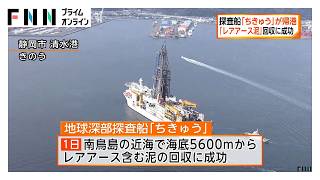
A deep-sea exploration vessel that successfully recovered mud containing rare earth elements from a depth of 5,600 meters for the first time in the world has returned to Shimizu Port in Shizuoka City.

A startup is working to curb global warming by feeding seaweed to cattle in an effort to reduce methane emissions from their burps, with plans to commercialize the technology in the coming years.

The arrival of pollen season has once again begun to affect large parts of Japan, but new research aimed at preventing cedar pollen from dispersing is raising hopes that the future could bring relief for millions of sufferers, with scientists working on a method to wither only the male flowers of cedar trees and stop pollen at its source.

Tokyo Electric Power announced that it has restarted the reactor at Unit 6 of the Kashiwazaki-Kariwa nuclear power plant in Niigata Prefecture, which had been halted shortly after its initial restart due to equipment problems.

About 3,000 Steller sea lions have appeared on an uninhabited island off Hokkaido, marking the largest number for this time of year and adding to fishing losses estimated to exceed 1 billion yen.

Influenza is once again spreading rapidly across the Kansai region, with Osaka Prefecture reaching an advisory-level outbreak for the second time in a single season for the first time in 15 years as infections surge again after the New Year.