News On Japan

Tokyo to Set Accommodation Tax at 3% From Next April

TOKYO - Tokyo will introduce a 3% accommodation tax on hotel and other lodging stays from April 2027, formally replacing its current flat-rate system and extending the levy to private lodging services.

Internal Affairs and Communications Minister Seiichiro Murakami on July 1 approved Tokyo's plan to change the accommodation tax imposed on people staying at hotels and similar facilities in the capital from a fixed amount to a rate equal to 3% of the lodging fee. The new system will take effect in April 2027, with private lodging newly included among taxable accommodations.

Tokyo currently charges 100 yen per person per night for stays costing at least 10,000 yen but less than 15,000 yen, and 200 yen for stays of 15,000 yen or more. Stays costing less than 10,000 yen per night are exempt, but the exemption threshold will be raised to 13,000 yen from April next year.

The Tokyo Metropolitan Government expects the shift to the percentage-based system and related changes to generate about 19 billion yen in annual tax revenue.

Source: TOKYO MX NEWS

News On Japan
POPULAR NEWS

Dangerous heat is expected across a wide area from western to eastern Japan today, prompting authorities to issue heatstroke warning alerts for 17 prefectures, the highest number so far this year.

Japan has become an unexpected base of operations for Russian intelligence agents since Moscow’s invasion of Ukraine, with spies allegedly using the country to procure and smuggle high-tech equipment and other goods to Russia, The New York Times reported on July 12.

Convenience store operators in Japan are strengthening safety measures as bear-related damage grows more serious, with Lawson expanding the use of bear repellent spray and considering drone-based remote monitoring.

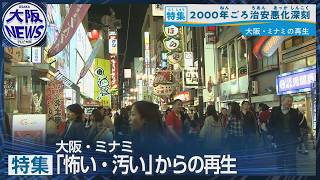
Osaka’s Minami district, now entering another period of major change with the planned opening of the Naniwasuji Line, the redevelopment of Midosuji and improvements around Nankai Namba Station, has transformed from an area once described as "scary" and "dirty" into one of Japan’s leading tourist destinations.

A 10-ton hoko float was pulled through central Kyoto on July 12 in a trial run ahead of the Yamahoko Junko procession during the Gion Festival's early parade.

MEDIA CHANNELS
         

MORE Travel NEWS

Tokyo Disney Resort will raise the maximum price of its one-day tickets from October, with adult admission to Tokyo Disneyland and Tokyo DisneySea rising by as much as 1,500 yen to 12,400 yen on selected high-demand days.

Two typhoons are currently near Japan, with Typhoon No. 9, Bavi, over North China and Typhoon No. 11, Haishen, east of the Philippines, but only Bavi is expected to have any indirect impact on the country.

An abandoned concrete arch bridge deep in the forests of Kamishihoro in Hokkaido's Tokachi region is slowly being reclaimed by nature, its exposed reinforcing bars and weeds marking the passage of time.

Osaka’s Minami district, now entering another period of major change with the planned opening of the Naniwasuji Line, the redevelopment of Midosuji and improvements around Nankai Namba Station, has transformed from an area once described as "scary" and "dirty" into one of Japan’s leading tourist destinations.

A 10-ton hoko float was pulled through central Kyoto on July 12 in a trial run ahead of the Yamahoko Junko procession during the Gion Festival's early parade.

Large Typhoon No. 9 (Bavi) was over central China at 9 p.m. on July 12 and moving north-northwest, with the storm expected to weaken as it continues northwest before turning into an extratropical cyclone that will merge with the rainy season front and bring rain mainly to areas along the Sea of Japan coast.

A wave of bear sightings across Japan has forced the cancellation of traditional summer events, while one animal entered a home and came within inches of a sleeping resident's face.

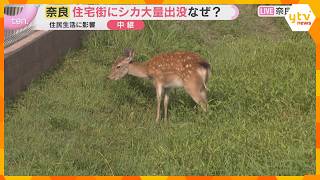
Large numbers of deer are appearing in residential neighborhoods around Nara, raising concerns over traffic accidents, crop damage and the spread of ticks and fleas as the animals move farther beyond Nara Park in search of food.