
News On Japan

Fukuoka Temple Introduces Dual Pricing for Foreign Tourists

FUKUOKA - A popular temple in Fukuoka Prefecture has introduced a 500 yen admission fee for foreign tourists while allowing Japanese residents and foreigners living in Japan to enter free, a measure aimed at reducing disruptive behavior and helping protect the religious site.

Nanzoin Temple in Sasaguri, Fukuoka Prefecture, is known for its giant reclining Buddha statue, which measures 41 meters long and weighs about 300 tons. The temple attracts roughly 1 million visitors a year.

Problems began to grow after foreign tourism recovered following the coronavirus pandemic, with the temple reporting inappropriate behavior by some visitors.

Incidents included people playing loud music and dancing in front of the reclining Buddha, leaving garbage in restrooms, playing in water at sacred areas and even hanging underwear to dry at a purification basin.

In response, Nanzoin introduced a dual-pricing system last year under which only foreign tourists are charged an admission fee. The fee was initially 300 yen before being raised to 500 yen in March this year.

Japanese visitors remain exempt, as do foreign nationals who live in Japan.

The temple says the system also provides an opportunity for staff at the entrance to directly explain prohibited behavior and local rules to visitors. Revenue from the fee is also used for measures including the deployment of security personnel.

Temple officials say disruptive behavior has declined considerably since the system was introduced, suggesting that the measure has had a noticeable effect.

During an approximately three-hour observation of the temple grounds, no conspicuous examples of the kinds of behavior previously reported were seen.

Some foreign tourists also expressed support for the system. One visitor said that tourists were guests in the country and described the fee as fair, adding that visitors should respect the rules of the place they are visiting.

The policy comes as destinations across Japan search for ways to manage growing numbers of overseas visitors while protecting cultural and religious sites.

Charging different prices based on residency or visitor status is already used at some tourist attractions overseas, and supporters of Nanzoin's system say the relatively modest 500 yen fee can help fund staff, multilingual guidance, maintenance and environmental improvements.

Others have suggested that the main issue is not nationality but whether visitors respect local customs and rules, arguing that clearer multilingual instructions and direct guidance from staff can help prevent problems caused by tourists who may simply be unfamiliar with expected behavior.

With overtourism placing greater pressure on popular destinations, Nanzoin's approach is attracting attention as one possible way to balance welcoming visitors with preserving the environment and dignity of culturally significant sites.

Source: 3分でわかる時事ニュース速報

News On Japan
POPULAR NEWS

Typhoon No. 27 is forecast to approach the Ogasawara Islands around October 6 as a very strong storm capable of bringing destructive winds and dangerous waves, with its predicted path shifting slightly eastward, while Hokkaido recorded Japan's first snowfall of the season on Mount Asahidake as cold air spread across northern Japan.

Time magazine has named Shoko Kawata, the 36-year-old mayor of Yawata in Kyoto Prefecture, among its 100 most influential emerging figures worldwide, recognizing her decision to become Japan's first sitting mayor to take maternity leave and highlighting a political career that has taken her from municipal administration to national politics and the leadership of a city of nearly 70,000 people.

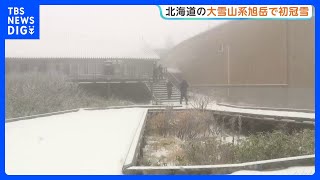
Hokkaido's highest peak, Mount Asahidake in the Daisetsuzan mountain range, recorded its first snow cover of the season on October 2, with the area around the Asahidake Ropeway's Sugatami Station, at an elevation of approximately 1,600 meters, blanketed in snow.

Tokyo authorities carried out the capital's first emergency shooting of a captured bear in Hachioji after an adult Asiatic black bear was found caught in a trap near a residential area about 8 kilometers from Takao Station.

Japan's total population, including foreign residents, stood at 122.97 million as of October 1, 2025, down 3.17 million from the previous census in 2020, marking only the third decline since the national census began in 1920.

MEDIA CHANNELS
         

MORE Travel NEWS

Osaka will launch regular nighttime sightseeing cruises on October 3, offering visitors a new way to enjoy the city's illuminated waterfront, including the historic architecture of Nakanoshima and the skyline surrounding Osaka Castle.

The 2026 Kishiwada Danjiri Festival brought generations together in Sakai-cho, where young men hauling a four-ton wooden float, veteran organizers guiding its course and a first-year rooftop performer worked side by side to carry forward a tradition dating back more than 300 years.

A spectacular sea of clouds appeared over Mount Oe in Fukuchiyama, Kyoto Prefecture, on the morning of September 30, creating a breathtaking landscape as the rising sun gradually turned the mist a deep crimson.

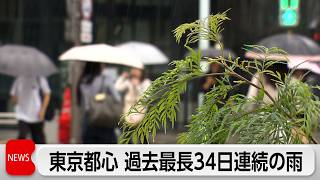
Tokyo recorded rain for a 34th consecutive day on September 29, setting a new all-time record for the capital, but the prolonged wet spell could finally end after Typhoon No. 26 passes the Izu Islands between the night of September 30 and the morning of October 1.

A popular temple in Fukuoka Prefecture has introduced a 500 yen admission fee for foreign tourists while allowing Japanese residents and foreigners living in Japan to enter free, a measure aimed at reducing disruptive behavior and helping protect the religious site.

Nagoya Castle welcomed crowds of domestic and international visitors on September 27, the final holiday before its adult admission fee doubles from 500 yen to 1,000 yen in October.

A new 220-meter suspension bridge has opened at Biwako Valley in Otsu, Shiga Prefecture, offering visitors a thrilling walk high above the mountains with panoramic views of Lake Biwa.

Giant whirlpools measuring more than 15 meters in diameter have appeared in the Naruto Strait in Tokushima Prefecture, drawing crowds of tourists as the autumn spring tide season brings some of the year's most spectacular tidal displays.