

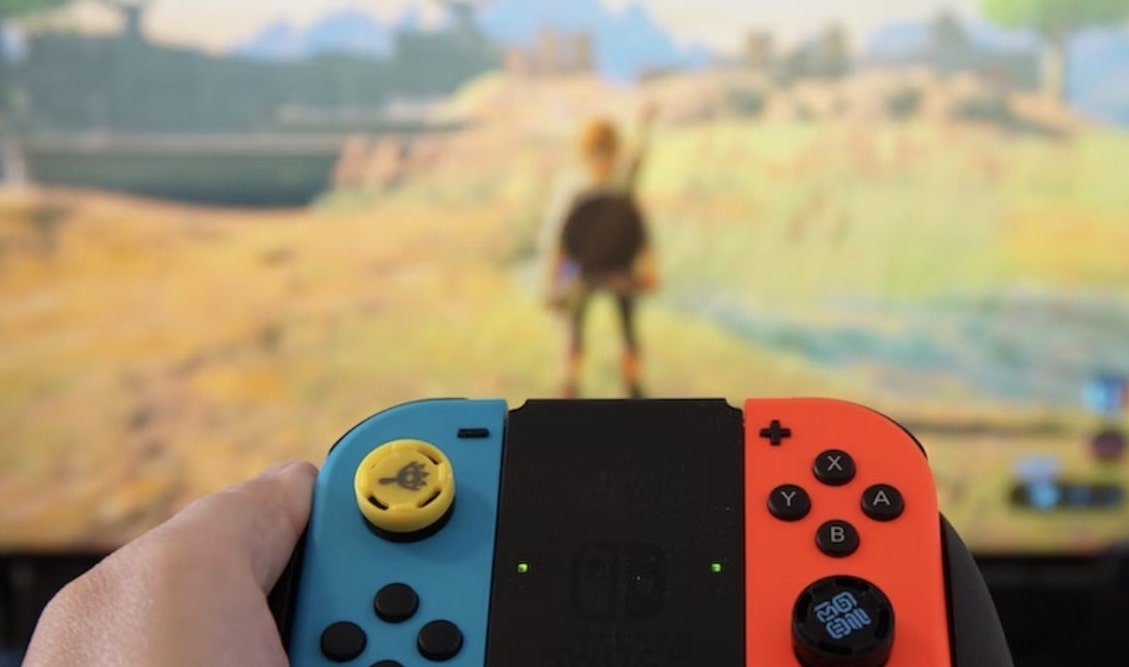
Japan has long been recognized as a global powerhouse in the development of electronic entertainment. From the early days of arcade cabinets to the sophisticated consoles found in homes today, the nation’s influence on how people spend their digital time is undeniable.


AI is rapidly transforming everyday life, with its latest advancements now revolutionizing manufacturing, reaching even into areas once considered the exclusive domain of skilled artisans.

Japan’s culture of passionately supporting favorite idols and anime characters—known as “oshi-katsu”—has expanded rapidly in recent years, with around 20 million people now actively engaged, as virtual avatar performers emerge as a driving force behind a market that has grown to 100 billion yen a decade after the birth of the world’s first VTuber, Kizuna AI.

News On Japan has been publishing more stories about cashless payments, digital services, and the way online spending is changing in everyday settings.

Rakuten AI 3.0 was introduced as Japan’s most powerful self-developed large language model — a supposed breakthrough for the country’s domestic AI industry. But within hours of its launch, serious controversy erupted. (East Tech Now)

The entertainment landscape in Japan is going through a very significant transformation phase, driven by changes in consumer lifestyles and rapid technological advancements.

Software quality assurance has always been a critical part of delivering reliable applications, but traditional approaches are no longer enough for today’s fast-moving digital landscape.