


Nara City has unveiled the results of its efforts to integrate artificial intelligence into municipal operations, aiming to address labor shortages and better respond to increasingly diverse citizen needs.

SoftBank, NEC, Honda, and Sony Group have jointly established a new company aimed at developing domestically produced artificial intelligence, as Japan seeks to regain competitiveness in the rapidly advancing global AI sector.

The Japanese government approved a bill on April 10th to revise the Financial Instruments and Exchange Act, aiming to classify crypto assets such as Bitcoin as financial products subject to regulation.

Humanoid AI robots, evolving at an astonishing pace, are now demonstrating not only remarkable athletic ability but also increasingly delicate and humanlike movements, as the latest generation of machines begins to move closer to everyday life.

A record number of companies went bankrupt due to labor shortages, spotlighting AI and avatar solutions showcased at the EC and Store Week Spring exhibition held at Tokyo Big Sight on April 8th.

If you are asking, 'Can I buy crypto with PayPal?', the real question behind it is usually more specific: can you do it without verification?
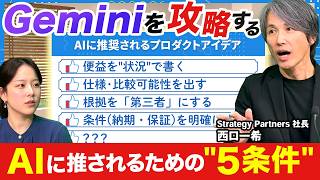
With the full-scale rollout of Google’s “AI Overviews,” a new “zero-click era” is emerging in which AI selects a handful of optimal products from tens of thousands of options and effectively makes purchasing decisions on behalf of users, raising a critical question for companies: how can their products be chosen as AI-recommended options.

As Japan faces a growing infrastructure crisis driven by aging water systems installed during the period of rapid economic growth, a new AI-driven solution is emerging to predict deterioration and prevent failures before they occur.