


A feature from BS TV Tokyo’s program Nikkei Morning Plus FT, broadcast on March 24th, 2026, highlights how startups are accelerating growth through proprietary technologies and services, with a focus on CadDi, a company aiming to transform the manufacturing industry through data utilization.
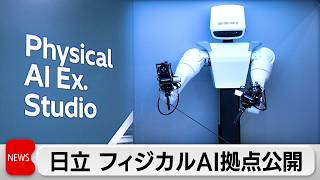
Hitachi Ltd. will open a new studio designed to accelerate the real-world adoption of “physical AI,” a technology that analyzes real-world data to autonomously control machines and robots, as the company seeks to expand practical applications across industries.

If you spend any time in the planner and journaling community online, one thing becomes obvious quickly: this audience is unusually invested in aesthetics.

SoftBank Group announced on March 20th a plan to build a new data center in the United States dedicated to artificial intelligence, with total investment including external funding expected to reach 500 billion dollars, or approximately 80 trillion yen, making it one of the largest projects of its kind in the country.

An Australian operator has unveiled plans to construct a large-scale data center immediately next to Tokyo Tower, highlighting the rapid expansion of such facilities into urban areas as demand for AI infrastructure grows.

Japan's Ministry of Economy, Trade and Industry presented a draft outline of its revised strategy through 2040 at an expert panel on AI and semiconductors, setting a goal of achieving more than a 30% global market share in domestically developed “physical AI,” which enables autonomous control of robots and other systems.

Sapporo has begun a trial of a new consultation service in March that is drawing attention for its use of artificial intelligence to support residents who may find face-to-face or telephone consultations difficult.
As artificial intelligence rapidly evolves, digital tools designed to distinguish humans from AI are gaining attention as an essential safeguard for the internet age.