News On Japan

42 Japan-Linked Ships Remain Stranded in Persian Gulf

TOKYO, Apr 15 (News On Japan) - As tensions in the Middle East continue, 42 vessels linked to Japan remain stranded in the Persian Gulf, raising concerns over supply chains for naphtha, a key raw material used in plastics and coatings, with manufacturers warning that prolonged disruptions could drive up prices for everyday goods and housing materials.

The chairman of the Japan Shipowners’ Association, Yasuhiro Shinohara, said the failure of ceasefire negotiations has dealt a significant blow to seafarers, adding that uncertainty has deepened due to what he described as a U.S.-led “counter-blockade.”

“Since the effective blockade on February 28th, nearly 50 days have passed. Ships were originally scheduled for round trips between Japan and the Persian Gulf in about 40 days, so urgent action is needed to secure their release,” Shinohara said.

The prolonged delay of vessels has heightened concerns over the procurement of naphtha, a petroleum-derived feedstock essential for producing plastic products and paints that are widely used in daily life.

Major chemical manufacturer Asahi Kasei said on April 15th that it has secured a supply outlook for naphtha through around mid- to late June, and plans to diversify procurement sources going forward.

However, the sharp rise in naphtha prices remains a serious concern.

Asahi Kasei, which produces a wide range of goods from its Hebel Haus housing brand to household items such as Saran Wrap, expects that price increases across its product lineup will become unavoidable.

President Koshiro Kudo said, “There are many areas where we will have to ask for price pass-throughs. Otherwise, the business itself will no longer be viable.”

Source: TBS

News On Japan
POPULAR NEWS

Police investigating the death of an 11-year-old boy whose body was found in a forest in Kyoto Prefecture believe his father moved the remains between several locations over a number of days in an apparent attempt to conceal the crime.

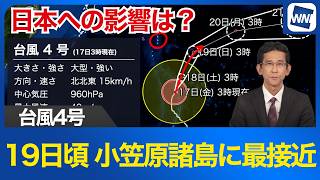
A large and powerful Typhoon No. 4, internationally named Sinlaku, was located near the Mariana Islands and moving north-northeast as of the latest update. The storm is expected to gradually shift its course eastward and pass southeast of the Ogasawara Islands around April 18, before making its closest approach around April 19.

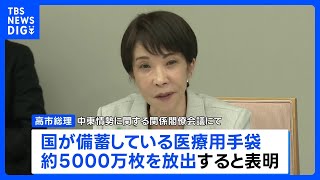
Japan will release around 50 million stockpiled medical gloves from next month as concerns grow over shortages of medical supplies linked to tensions in the Middle East, Prime Minister Sanae Takaichi said.

The Tateyama Kurobe Alpine Route connecting Toyama and Nagano fully reopened on April 15th, marking the start of the spring tourism season along one of Japan’s most celebrated mountain routes.

A large and extremely strong Typhoon No. 4 (Sinlaku) was tracking north-northwest near the Mariana Islands as of April 15, with forecasters warning of high waves exceeding 4 meters around the Ogasawara Islands later this week despite a low likelihood of a direct approach to Japan.

MEDIA CHANNELS
         

MORE Business NEWS

TOTO said on April 16 that it will gradually resume new orders for its unit bath products from April 20 after securing a clearer outlook for raw material procurement.

Tokyo’s and Osaka’s flagship theme parks are both marking their 25th anniversaries this year, raising expectations that milestone celebrations could provide a boost to visitor numbers and earnings.

As tensions in the Middle East continue, 42 vessels linked to Japan remain stranded in the Persian Gulf, raising concerns over supply chains for naphtha, a key raw material used in plastics and coatings, with manufacturers warning that prolonged disruptions could drive up prices for everyday goods and housing materials.

The Japan Painting Contractors Association has requested the government to secure stable supplies of materials, warning that concerns over shortages of paint and thinner derived from naphtha have become increasingly severe.

Crude oil futures surged sharply as concerns over supply disruptions intensified amid renewed uncertainty surrounding the situation in Iran, pushing prices above $105 per barrel on April 12th and driving Japan long-term interest rates—represented by the benchmark 10-year government bond yield—to their highest levels in nearly three decades.

Bank of Japan Governor Kazuo Ueda warned on April 14th that rising crude oil prices driven by escalating tensions in the Middle East could act as a drag on Japan’s economy, signaling growing concern within the central bank over external cost pressures.

More than 80% of companies in Japan’s Kyushu and Okinawa regions say they are experiencing negative impacts from the ongoing situation in the Middle East, according to a survey released by Tokyo Shoko Research on April 13th.

IKEA, the Swedish furniture giant, is set to open its first outlet in Hokkaido in mid-May, marking its long-awaited entry into the region not in the major city of Sapporo but in the neighboring town of Tobetsu, where deep historical ties with Sweden have helped pave the way for the project.