


Prime Minister Takaichi announced on March 27th that Japan will increase the operating rate of coal-fired power plants in preparation for a prolonged de facto closure of the Strait of Hormuz, aiming to reduce reliance on liquefied natural gas.

Fuel prices have surged to levels that could begin to impact transportation infrastructure, as industry groups warn of worsening supply constraints and mounting financial pressure.

Medical institutions across Japan are coming under increasing financial strain as rising prices for plastic and rubber—key materials in essential medical supplies—begin to weigh heavily on operations, prompting the government to release national oil reserves on March 26th in an effort to curb inflation and stabilize supply.

Sony and Honda have decided to halt their jointly developed electric vehicle project, with their joint venture Sony Honda Mobility announcing on March 25th that it will cancel the development and launch of its new EV, the "AFEELA 1," as a reassessment of Honda’s EV strategy made it difficult to continue utilizing Honda’s technology and production support, ultimately leading to the conclusion that commercialization would be unfeasible.

Seibu & Sogo announced that it will close its Seibu Shibuya store in September, bringing an end to the 58-year history of what was once a symbol of the district and marking the disappearance of traditional department stores from Shibuya.

Italian furniture exports to Japan have grown steadily for over a decade, but this growth has not been driven by aggressive retail expansion.
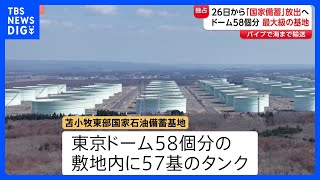
As the impact of the effective closure of the Strait of Hormuz spreads, the government announced it will begin releasing national oil reserves from 11 bases across the country starting March 26th, in a move aimed at minimizing disruption to economic activity.

Japan’s nationwide consumer price index rose 1.6 percent in February from a year earlier, marking the first time in nearly four years that the rate has fallen below 2 percent, largely due to the abolition of a temporary gasoline tax rate and the impact of government subsidies.