News On Japan

Japan Cuts Refinery Runs as It Races to Replace Middle East Crude

TOKYO, Apr 26 (News On Japan) - Japan has reduced refinery operating rates as it scrambles to secure alternative crude supplies following disruptions to shipments through the Strait of Hormuz, underscoring the growing strain on one of Asia’s most import-dependent energy markets.

Japanese refiners were operating at 67.8% of capacity in April, according to Reuters data, indicating processors are slowing output while awaiting replacement cargoes from the United States and other suppliers outside the Middle East.

The cutback suggests Japan’s actual crude requirement for May may be lower than initial estimates based on normal import volumes, easing short-term pressure on emergency procurement efforts.

Japan typically imports about 2.8 million barrels of crude oil per day, with a large share historically linked to routes passing through Hormuz. Based on normal flows, more than 60 million barrels of May supply could have been exposed to disruption.

The government has said about 60% of the crude required for May has already been secured through alternative sources and routes that do not rely on the strategic waterway.

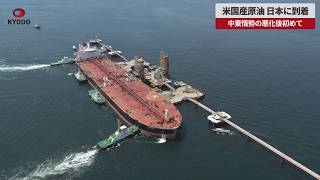
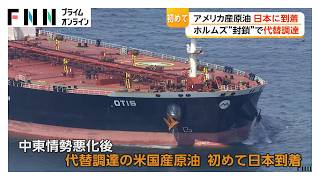
Japan this week received its first substitute shipment of U.S. crude since the Middle East situation deteriorated. The cargo, carried by the tanker Otis, departed Texas in March and was delivered to Chiba for processing.

Based on the vessel’s size and configuration, the Otis appears to be an Aframax-class tanker, a medium-sized crude carrier typically capable of transporting roughly 500,000 to 800,000 barrels. Aframax vessels are commonly used on flexible long-haul routes because they can access more ports and transit waterways such as the Panama Canal more easily than larger supertankers.

Imports from the United States in May are expected to be about four times higher than a year earlier as refiners diversify purchases and seek to stabilize domestic fuel supply.

The combination of lower refinery runs, stockpile management and increased imports reflects Japan’s effort to cushion the impact of one of the most serious threats to regional oil trade in recent years.

News On Japan
POPULAR NEWS

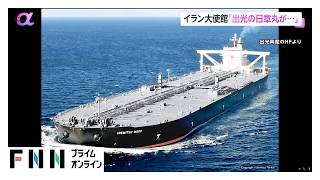
An Idemitsu Kosan crude oil tanker has safely passed through the Strait of Hormuz, becoming the first vessel bound for Japan to do so since attacks on Iran heightened tensions in the region and effectively disrupted maritime traffic.

Japan’s Golden Week holiday period got fully underway on April 29, drawing large crowds to major tourist destinations and airports, where long lines formed as overseas travel surged.

A series of sightings involving unusually large brown bears in Hokkaido has heightened concerns among local residents, with one 330-kilogram animal captured in Tomamae and another 280-kilogram bear attacking a hunter in Shimamaki.

Full-scale Golden Week travel began on April 29, with Chubu Centrair International Airport experiencing its busiest outbound travel day of the holiday period. The airport was crowded from the morning with vacationers heading overseas.

Electricity and gas bills for usage in May will rise slightly in Japan, with the impact of tensions involving Iran expected to appear in utility charges from June onward. Larger increases could follow in subsequent months.

MEDIA CHANNELS
         

MORE Business NEWS

Electricity and gas bills for usage in May will rise slightly in Japan, with the impact of tensions involving Iran expected to appear in utility charges from June onward. Larger increases could follow in subsequent months.

The Bank of Japan decided to leave interest rates unchanged, opting against an additional rate hike for now, after its monetary policy meeting concluded earlier with a majority vote to maintain the policy rate at 0.75%, marking the third consecutive meeting at which rates were left unchanged.

Shizuoka City said it will shorten operating hours at three municipally run hot spring facilities from May 7 for the time being, after instability in heavy oil supplies linked to the situation in Iran.

Prolonged tensions in the Middle East are beginning to affect everyday vegetables in Japan, with tomato farmers facing higher costs and shortages of packaging materials.

The impact of the effective closure of the Strait of Hormuz is spreading to Japan's export industries, dealing a fresh blow to automakers and other companies reliant on Middle East trade routes.

The Nikkei Stock Average rose by more than 1,100 points at one stage in trading on the Tokyo Stock Exchange on Monday. Following gains in semiconductor-related shares on the New York market on June 24, buy orders flowed into AI and chip-related stocks in Tokyo, lifting the Nikkei back above the 60,000 level.

Japan has reduced refinery operating rates as it scrambles to secure alternative crude supplies following disruptions to shipments through the Strait of Hormuz, underscoring the growing strain on one of Asia’s most import-dependent energy markets.

American crude oil secured as an alternative supply source has arrived in Japan for the first time, as the de facto closure of the Strait of Hormuz makes procurement from the Middle East increasingly difficult.