News On Japan

Japan's Long-Term Rate Briefly Hits 2.81%, Highest in 30 Years

TOKYO - Japan’s long-term interest rate, which affects fixed-rate housing loans and other borrowing costs, climbed to its highest level in about 30 years as concerns grew over the fiscal outlook under the Takaichi administration.

In the bond market, the yield on Japan’s 10-year government bond briefly reached 2.81%, marking the highest level since October 1996.

The rise followed the government’s basic policy on economic and fiscal management, known as the “honebuto” policy framework, released by the Takaichi administration.

Market participants viewed the policy as a signal that the government was trying to restrain the Bank of Japan from raising interest rates further. That perception fueled expectations that inflation could accelerate and interest rates may rise further in the future.

Concerns over a possible deterioration in public finances also added momentum to the rise in rates, including large-scale investment tied to the government’s growth strategy and the impact of a proposed consumption tax cut.

Higher long-term interest rates could increase the burden on households with fixed-rate housing loans and companies seeking to borrow funds.

Source: TBS

News On Japan
POPULAR NEWS

Dangerous heat is expected across a wide area from western to eastern Japan today, prompting authorities to issue heatstroke warning alerts for 17 prefectures, the highest number so far this year.

Japan has become an unexpected base of operations for Russian intelligence agents since Moscow’s invasion of Ukraine, with spies allegedly using the country to procure and smuggle high-tech equipment and other goods to Russia, The New York Times reported on July 12.

Convenience store operators in Japan are strengthening safety measures as bear-related damage grows more serious, with Lawson expanding the use of bear repellent spray and considering drone-based remote monitoring.

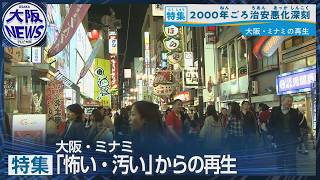
Osaka’s Minami district, now entering another period of major change with the planned opening of the Naniwasuji Line, the redevelopment of Midosuji and improvements around Nankai Namba Station, has transformed from an area once described as "scary" and "dirty" into one of Japan’s leading tourist destinations.

A 10-ton hoko float was pulled through central Kyoto on July 12 in a trial run ahead of the Yamahoko Junko procession during the Gion Festival's early parade.

MEDIA CHANNELS
         

MORE Business NEWS

Mitsubishi UFJ Financial Group became Japan's most valuable company for the first time on the Tokyo stock market on July 13, overtaking Toyota Motor as expectations grow that higher interest rates will lift bank earnings.

A debate over whether shorts belong in the workplace is spreading in Japan after Tokyo Governor Yuriko Koike encouraged metropolitan government employees to wear cooler clothing, including shorts, as part of efforts to cope with intensifying summer heat.

A 65-year-old man who spent 40 years working for a company was shocked to learn that his pension would amount to 168,000 yen a month, raising fresh concern over whether retirees in Japan can live on public pension payments alone.

Small supermarkets offering lower prices than convenience stores and closer access than full-size supermarkets are expanding rapidly across the Tokyo metropolitan area, as retailers race to meet demand from older consumers, single-person households and shoppers under pressure from rising prices.

A welfare facility in Fukuchiyama, Kyoto Prefecture, has begun preparations to sell about 220 giant stag beetles, one of Japan’s largest species, from July 13.

NTT Docomo will begin offering banking services under the new "Docomo Bank" brand in August, with plans to build a network of more than 1,500 locations by fiscal 2030, far exceeding the branch networks of Japan's major banks.

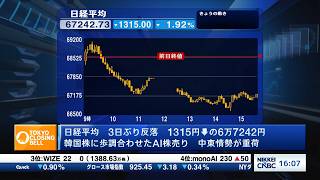
Japanese stocks rose for a second straight session on Friday, July 10, with the Nikkei Stock Average climbing 813.88 points to close at 68,557.73 after strong gains in U.S. technology and semiconductor stocks fueled renewed buying of AI-related shares.

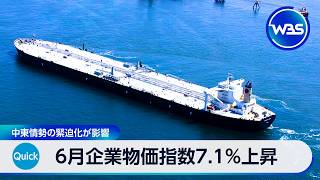
Japan’s domestic Corporate Goods Price Index, which measures prices charged for goods traded between companies, rose 7.1% from a year earlier to 135.4 in June, the Bank of Japan said on July 10.