News On Japan

Oil Distributors Admit Antimonopoly Diesel Cartel

TOKYO - Five oil distributors, including Higashinihon Usami and ENEOS Wing, admitted charges of violating Japan's Antimonopoly Act by forming a cartel to coordinate diesel fuel prices at their first trial at the Tokyo District Court on September 3.

All five companies acknowledged the charges, telling the court that the allegations were correct.

Prosecutors said in their opening statement that representatives of the five companies met once a month at restaurants in Tokyo to discuss diesel selling prices and planned increases.

The companies agreed on price targets that included raising diesel prices by 2 yen per liter, prosecutors said.


News On Japan
POPULAR NEWS

Tokyo's Fuchu Prison is adapting its meals and living arrangements to a growing foreign inmate population, with about one in four prisoners coming from overseas and staff balancing religious, cultural and dietary needs against tight budgets and the demands of running one of Japan's largest prisons.

Tesla unveiled its Cybercab in Japan for the first time on September 11, showcasing an AI-powered autonomous taxi designed without a steering wheel or pedals.

China will sharply raise visa fees for Japanese nationals entering the country from September 14, with the cost of a single-entry visa increasing to 16,750 yen, about 7.4 times the current level.

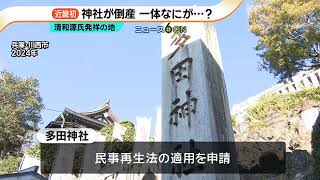
Tada Shrine in Kawanishi, Hyogo Prefecture, has filed for protection under Japan's Civil Rehabilitation Act, becoming the first shrine in the Kansai region and only the third nationwide to enter bankruptcy proceedings, according to Teikoku Databank.

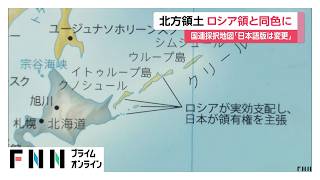
Japan has asked for changes to an Equal Earth world map that depicts the Russian-controlled Northern Territories in the same color as Russia, prompting the map's creator to say the Japanese-language version will be revised while the English version will remain unchanged.

MEDIA CHANNELS
         

MORE Business NEWS

Tokyo stocks fell sharply on September 11, with the Nikkei 225 closing at 63,442, down 2.8%, as oil prices above $108, renewed Middle East tensions, U.S. rate-hike fears and expectations for another Bank of Japan increase triggered a broad selloff led by artificial intelligence and semiconductor-related shares.

Japan's corporate goods prices rose 7.6% in August from a year earlier, remaining above 7% for a third consecutive month as escalating tensions in the Middle East pushed up prices for petroleum, coal and chemical products.

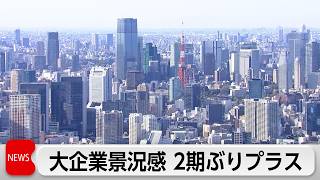
Business sentiment among Japan's large companies returned to positive territory in the July-September quarter for the first time in two quarters, supported by growing demand for semiconductor manufacturing equipment and AI data centers as well as improving conditions in hospitality, restaurants and finance.

Tokyo stocks fell sharply on September 11, with the Nikkei average at one point dropping more than 2,000 points as escalating attacks between the United States and Iran drove oil prices higher and intensified concerns about inflation and corporate earnings.

Tada Shrine in Kawanishi, Hyogo Prefecture, has filed for protection under Japan's Civil Rehabilitation Act, becoming the first shrine in the Kansai region and only the third nationwide to enter bankruptcy proceedings, according to Teikoku Databank.

Protein powder prices are rising sharply in Japan as booming overseas demand for whey, partly linked to the growing use of weight-loss drugs, combines with the weak yen to make the key ingredient increasingly expensive for Japanese buyers.

The takeover battle for Kakaku.com, operator of restaurant review site Tabelog and price-comparison service Kakaku.com, intensified on September 11 after Swedish investment firm EQT raised its tender offer price to 3,680 yen per share, surpassing a rival proposal from a group led by LINE Yahoo.

Amazon has opened its third logistics facility in Amagasaki, Hyogo Prefecture, creating the company's largest distribution hub in the Kansai region with capacity to handle up to 1 million packages a day.