News On Japan

Daihatsu Recalls 320,000 Cars Linked to Test Scandal

OSAKA - Daihatsu, which halted production of all its vehicle models due to vehicle certification misconduct, has announced a recall of over 320,000 vehicles.

This move, reported to the Ministry of Land, Infrastructure, Transport, and Tourism, marks the first recall related to the series of fraudulent tests. The recall is due to potential issues with door locks during collisions, which could hinder passenger rescue efforts.

The recall affects two models: the 'Cast' and Toyota's 'Pixis Joy', both manufactured by Daihatsu, totaling 327,240 vehicles. The 'Cast' was produced from August 2015, and the 'Pixis Joy' from August 2016, with both models being manufactured until June of last year.

The recall addresses insufficient verification regarding the operation of door locks in side-impact collisions. In such incidents, all doors may lock, potentially delaying the rescue of occupants.

No malfunctions or accidents have been reported in relation to this issue.

Daihatsu plans to notify affected owners via direct mail and will replace the necessary components free of charge.

News On Japan
POPULAR NEWS

Genta Koja, a former deputy mayor of Naha who accepts the relocation of the U.S. Marine Corps Air Station Futenma to Henoko in Nago, won the Okinawa gubernatorial election on September 13, defeating incumbent Governor Denny Tamaki and bringing an end to 12 years of prefectural administrations committed to blocking the project.

Roads around the Fushimi Otesuji Shopping Street in Kyoto's Fushimi Ward were flooded on the evening of September 13 after water began gushing from a nearby road, forcing authorities to close part of the street to traffic.

Tesla unveiled its Cybercab in Japan for the first time on September 11, showcasing an AI-powered autonomous taxi designed without a steering wheel or pedals.

China will sharply raise visa fees for Japanese nationals entering the country from September 14, with the cost of a single-entry visa increasing to 16,750 yen, about 7.4 times the current level.

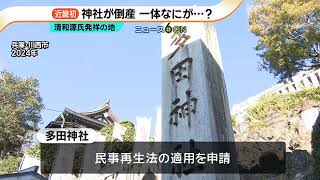
Tada Shrine in Kawanishi, Hyogo Prefecture, has filed for protection under Japan's Civil Rehabilitation Act, becoming the first shrine in the Kansai region and only the third nationwide to enter bankruptcy proceedings, according to Teikoku Databank.

MEDIA CHANNELS
         

MORE Business NEWS

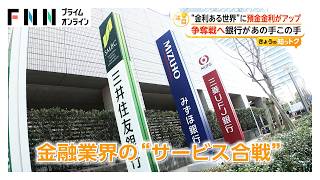
Japan's major banks are intensifying competition for household money as rising interest rates revive the appeal of deposits, prompting lenders to launch new savings products, wealth-management services and point-based incentives.

Japan is facing growing pressure over its treatment and recruitment of foreign workers, with serious allegations of abuse emerging even as companies compete for a shrinking pool of overseas labor and some industries approach government-set limits on the number of workers they can accept.

Tokyo stocks fell sharply on September 11, with the Nikkei 225 closing at 63,442, down 2.8%, as oil prices above $108, renewed Middle East tensions, U.S. rate-hike fears and expectations for another Bank of Japan increase triggered a broad selloff led by artificial intelligence and semiconductor-related shares.

Japan's corporate goods prices rose 7.6% in August from a year earlier, remaining above 7% for a third consecutive month as escalating tensions in the Middle East pushed up prices for petroleum, coal and chemical products.

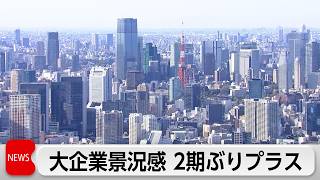
Business sentiment among Japan's large companies returned to positive territory in the July-September quarter for the first time in two quarters, supported by growing demand for semiconductor manufacturing equipment and AI data centers as well as improving conditions in hospitality, restaurants and finance.

Tokyo stocks fell sharply on September 11, with the Nikkei average at one point dropping more than 2,000 points as escalating attacks between the United States and Iran drove oil prices higher and intensified concerns about inflation and corporate earnings.

Tada Shrine in Kawanishi, Hyogo Prefecture, has filed for protection under Japan's Civil Rehabilitation Act, becoming the first shrine in the Kansai region and only the third nationwide to enter bankruptcy proceedings, according to Teikoku Databank.

Protein powder prices are rising sharply in Japan as booming overseas demand for whey, partly linked to the growing use of weight-loss drugs, combines with the weak yen to make the key ingredient increasingly expensive for Japanese buyers.