News On Japan

Okinawa Coca-Cola Launches Large-Scale Solar Powered Factory

NAHA - Okinawa Coca-Cola Bottling has begun operating a large-scale solar power generation system at its Urasoe plant, aiming to reduce carbon dioxide emissions by 330 tons annually while expanding the use of renewable energy in the prefecture.

The solar power facility, known as "Kary Roof," was installed on the roof of the company's Urasoe plant by Okinawa Electric Power and Okinawa New Energy Development.

The system is expected to supply about 10% of the plant's electricity needs and contribute to an annual reduction of approximately 330 tons of carbon dioxide emissions.

Yoshihiko Koyama, president and representative director of Okinawa Coca-Cola Bottling, said the company hopes to continue advancing efforts to reduce CO2 emissions and address environmental issues with support and expertise from its partner companies.

The Kary Roof project has been increasingly adopted by local governments and businesses across Okinawa, with the Okinawa Coca-Cola installation becoming the 63rd deployment of the system.

At the launch ceremony, Okinawa Electric Power Executive Vice President Hayato Naritoko expressed hope that awareness of building a decarbonized society would continue to spread throughout Okinawa.

沖縄コカ・コーラ、大規模太陽光発電工場を稼働開始

沖縄コカ・コーラボトリングは、浦添工場で大規模な太陽光発電システムの運用を開始した。年間330トンの二酸化炭素排出削減を目指すとともに、県内での再生可能エネルギーの利用拡大を進める。

冲绳可口可乐启动大型太阳能发电工厂

冲绳可口可乐装瓶公司已开始在其浦添工厂运营大型太阳能发电系统,目标是每年减少330吨二氧化碳排放,同时扩大冲绳县内可再生能源的利用。

Source: 沖縄ニュースOTV

News On Japan
POPULAR NEWS

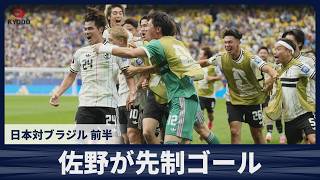
Japan’s World Cup campaign ended in the cruelest possible fashion on June 29, as Gabriel Martinelli scored in the fifth minute of stoppage time to give Brazil a 2-1 victory over the Samurai Blue in their knockout match in Houston. Japan had led in the first half and were still level at 1-1 in the final moments, but Martinelli’s late strike sent Brazil into the Round of 16 and eliminated Japan from the tournament.

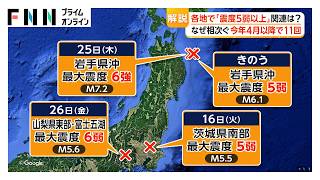
Strong earthquakes have continued to shake parts of Japan in recent weeks, with 11 temblors measuring lower 5 or above on the Japanese seismic intensity scale recorded across the country since April 2026.

A Kintetsu Railway train derailed inside Kyoto Station on the morning of June 29, forcing partial suspensions on the Kintetsu Kyoto Line for the rest of the day and causing long delays that hit commuters, students and tourists.

A section of stone wall at Hikone Castle, one of Japan’s few surviving original Edo-period castles and a National Treasure whose main keep remains intact more than 400 years after its construction, collapsed after heavy rain caused by Typhoons No. 7 and No. 8, Hikone city officials said.

Japan advanced to the knockout stage of the World Cup after a 1-1 draw with Sweden on June 25, finishing second in Group F and setting up a Round of 32 clash with Brazil in Houston.

MEDIA CHANNELS
         

MORE Business NEWS

Tokyo stocks edged higher on June 29 as investors bought back selected shares after a sharp AI-led selloff, but gains were capped by caution over high technology valuations, Middle East tensions and a weakening yen that fell to its lowest level against the dollar since 1986.

Tokyo stocks fell sharply on June 26 as investors locked in profits from Japan’s record-setting AI-driven rally, with SoftBank Group and chip-related shares leading a broad retreat after reports that OpenAI may delay its initial public offering.

Japanese households held 2,386 trillion yen in financial assets at the end of March, up 7.1% from a year earlier, as rising share prices, wider use of the new NISA investment program and the weaker yen lifted the value of assets held by individuals.

The sale of religious corporations that operate temples and shrines across Japan is drawing growing scrutiny from authorities, who fear the transactions could be used for tax evasion and money laundering, as brokers openly advertise properties and corporate status for tens or even hundreds of millions of yen.

The Nikkei Stock Average fell for a second straight session in Tokyo as investors locked in profits from a rapid rally in artificial intelligence and semiconductor-related shares, briefly sending the benchmark down more than 1,300 yen before bargain hunting helped it recover part of the loss.

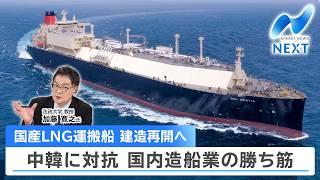
Imabari Shipbuilding, Kawasaki Heavy Industries, and Namura Shipbuilding are aiming to resume construction of liquefied natural gas carriers around 2035, as Japan’s shipbuilding industry looks for a path to recovery after losing much of the global market to lower-cost rivals in South Korea and China.

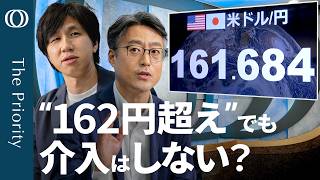
Finance Minister Katayama held online talks with U.S. Treasury Secretary Scott Bessent as the yen approached its weakest level in about 39 years, with the two sides believed to have discussed possible responses, including foreign exchange intervention.

Every year, thousands of people save money by buying through the Japanese auction process. But many do not realize they've paid too much until the vehicle arrives.