TOKYO - The Nikkei Stock Average briefly topped the 70,000 mark for the first time on June 16, rising as much as 700 points to an intraday high of 70,020 after the Bank of Japan's decision to raise interest rates matched market expectations, before retreating as investors locked in profits, though the benchmark still ended the day at a record high.
The rally was also supported by gains in U.S. technology stocks, particularly semiconductor-related shares.
Earlier in the day, the market struggled for direction as profit-taking followed Monday's surge of more than 3,000 points, the second-largest single-day gain in the index's history. The Nikkei briefly fell about 200 points in morning trading before recovering.
The benchmark ultimately closed up 87.50 points at 69,404.50, marking a fourth consecutive day of gains and another record closing high. Despite the historic intraday breakthrough, the index failed to hold above 70,000 as investors sold into strength after reaching the symbolic milestone.
The broader TOPIX index, which had reached a record high the previous day, slipped slightly for the first time in three sessions. Market breadth remained weak, with declining stocks outnumbering advancers on the Tokyo Stock Exchange Prime Market by a wide margin, indicating that gains were concentrated in a limited number of large-cap technology shares.
Investor sentiment improved in the afternoon after the Bank of Japan announced its first interest rate increase in four meetings, lifting the policy rate to 1%, its highest level since 1995. The central bank also decided to end reductions in its government bond purchase program after April 2027.
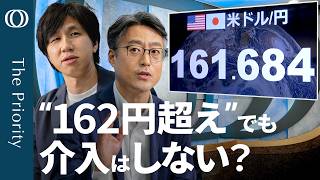
While the rate hike briefly pushed long-term interest rates higher, equity investors largely interpreted the decision positively, viewing it as confirmation that policymakers remain confident in the economy. The dollar traded around 160.23-160.24 yen in late Tokyo trading.
AI- and semiconductor-related stocks continued to lead the market higher. Memory chipmaker Kioxia surged as much as 7% to the 97,000-yen range, pushing its market capitalization above 50 trillion yen and making it only the second listed Japanese company after Toyota Motor to surpass that threshold.
Analysts cited growing demand for semiconductor memory driven by global AI investment. Several brokerages have raised their target prices for Kioxia, with some overseas forecasts reaching as high as 200,000 yen per share.
Electronic components maker Murata Manufacturing also climbed sharply, rising more than 9% at one point as investors increasingly viewed the company as a major beneficiary of the AI boom. Recent analyst targets have reached the 15,000-yen level.
Among other AI-related names, JX Advanced Metals hit its daily limit after reports that it plans to increase production capacity for optical communication semiconductor materials tenfold. Nippon Electric Glass also posted double-digit gains after JPMorgan raised its target price to 29,000 yen, citing strong growth prospects for its AI-related T Glass products.
Market participants said investor enthusiasm for AI-linked companies continues to provide a powerful tailwind for Japanese equities, even as broader valuations climb.
The day's largest initial public offering also attracted attention. Ride-hailing app operator GO debuted on the Tokyo market, opening at 2,910 yen, about 21% above its offering price of 2,400 yen. The listing, the largest IPO in Japan this year, drew strong demand from domestic and overseas investors, including BlackRock and Wellington Management.
According to market sources, the offering was heavily oversubscribed, with demand estimated at roughly 50 times available shares from retail investors, 10 times from domestic institutional investors, and 20 times from overseas institutions.
Looking ahead, investors are expected to focus on comments from Bank of Japan Deputy Governor Shinichi Uchida regarding the central bank's policy outlook, as well as developments in U.S. technology stocks and the implementation of the recently announced ceasefire agreement between the United States and Iran.
Market strategists noted that if earnings expectations for major technology companies continue to improve, the Nikkei could establish itself above 70,000 and potentially target the 74,000-75,000 range. However, they cautioned that geopolitical risks in the Middle East remain an important factor to monitor.
Source: テレ東BIZ