Japanese pop culture has had fans around the world for decades, but social media has completely changed the way people discover it.
Anime scenes, J-pop performances, gaming clips, street fashion and even Japanese snacks can now reach international audiences within hours.
Part of the reason is simple: Japanese pop culture works extremely well in visual, fast-moving feeds. You do not always need to know the full story behind a character, artist or trend to stop scrolling and pay attention.
Japanese Pop Culture Is Highly Visual
Anime is perhaps the clearest example. A beautifully animated fight scene, a funny reaction or a distinctive character design can work as a standalone piece of content even for someone who has never watched the series.
The same is true for other parts of Japanese pop culture. Social media is full of content built around:
- anime and manga;
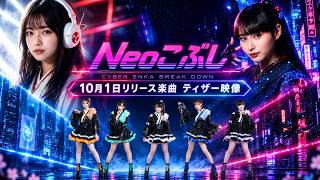
- J-pop performances and music videos;
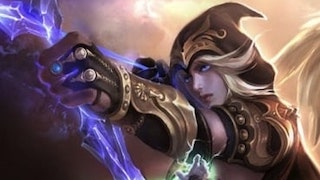
- gaming clips and character reveals;
- street fashion and beauty trends;
- themed cafés and character merchandise;
- Japanese food, snacks and stationery.
For creators and fan accounts, this kind of content can also make it easier to get more Instagram views, especially when a post taps into a character, release or trend people are already discussing.
Discovery Often Starts With a Single Post
Someone might see an anime edit in their feed, search for the title and start watching. Another person may notice a Japanese fashion trend and end up following creators based in Tokyo.
Social media makes that journey from curiosity to discovery much shorter.
Fans Keep the Conversation Going
Official trailers and announcements are only one part of the story. A huge amount of online visibility around Japanese pop culture comes directly from fans.
They create:
- fan art and cosplay;
- edits and compilations;
- memes and reaction videos;
- translations and explanations;
- recommendations for other fans.
One new anime episode, game release or music video can generate thousands of posts across multiple platforms.
This also means older content can suddenly return to the spotlight. A meme, short clip or viral edit can introduce an anime or game from years ago to an entirely new audience.
Fans Become Part of the Promotion
This is one of the biggest differences between traditional media and social platforms.
Fans are no longer simply consuming entertainment. They are actively helping it spread.
A popular character, scene or song can continue circulating long after the official marketing campaign has ended because the community keeps creating something new around it.
Anime, Music and Gaming Cross Borders Easily
Japanese entertainment also works well internationally because much of it can be enjoyed before someone understands every detail.
A viewer does not need to speak Japanese to appreciate the choreography in a music video, the animation in a fight scene or an impressive moment from a game.
Anime openings can introduce listeners to Japanese musicians. Gaming clips can lead people toward franchises they have never played before. Fan edits can make a character recognizable even to people unfamiliar with the original series.
The content travels first. More context often comes later.
Social Media Has Reduced the Delay
In the past, international audiences often discovered Japanese entertainment after it had been formally released, translated or promoted in their country.
Today, fans can see clips, reactions and discussions almost immediately.
That gives Japanese pop culture a much faster route to global audiences.
It Goes Beyond Entertainment
The influence is not limited to anime, games and music.
Japanese food, beauty products, capsule toys, stationery, cafés and street fashion regularly gain attention online. A product created mainly for the domestic market can suddenly attract international interest because it appeared in enough viral posts.
Travel is connected to this as well.
People now save restaurants, shops, neighborhoods and attractions they first discovered through social media. A visitor may arrive in Japan already knowing:
- which convenience-store snacks they want to try;
- which character stores they want to visit;
- which cafés have appeared repeatedly on Instagram;
- which neighborhoods they have seen in videos.
Pop culture and everyday life often blend together online.
Why It Continues to Work
Japanese pop culture has several qualities that fit naturally with social media: strong visuals, active communities and a steady flow of new releases and trends.
Most importantly, fans can take part.
They can create an edit, post fan art, recommend a series or respond to someone on the other side of the world within minutes.
Social media did not create the international popularity of Japanese pop culture. Anime, gaming, music and fashion already had global audiences long before Instagram or TikTok existed.
What these platforms changed was the speed at which everything moves.
A trend can begin in Japan and reach feeds around the world almost immediately. With fans constantly creating new content around what they love, Japanese pop culture has become a natural fit for the social media era.