News On Japan

Ameyoko Restaurants Run by Foreigners, Mainly Chinese

TOKYO - Tokyo's downtown market district, Ameyoko, which attracts hundreds of thousands of shoppers, especially around New Year, is undergoing a major transformation. Traditional fresh fish stores have dwindled, while multinational restaurants have surged. What is happening?
Ameyoko Restaurants Run by Foreigners, Mainly Chinese

'70% of Restaurants' Run by Foreigners

The "Ameyoko Shopping Street," spanning about 500 meters along the elevated tracks from JR Ueno Station to JR Okachimachi Station in Tokyo, is a popular spot with around 400 shops. However, a change has occurred in recent years.

The area has become home to various international restaurants, particularly Chinese ones.

At "Chuan Chuan Xiang," a shop selling authentic Chinese dishes like pig's trotters and roast chicken, tourists from Taiwan take a break.

Tourist from Taiwan: 'We came to Japan for sightseeing, but we missed Chinese food and came here to eat. The taste is just like home.'

Chuan Chuan Xiang Staff: 'Ameyoko has many foreigners, not just Japanese customers, making it easier to do business. People from Vietnam, Myanmar, Thailand, and the Philippines also buy from us.'

According to Hayato Chiba, the vice chairman of the Ameyoko Shopping Street Union, who has been selling leather goods for 33 years, the number of restaurants has increased rapidly in recent years.

Hayato Chiba: 'About a dozen years ago, the first kebab shop appeared, and I thought it was unusual. About 5 to 6 years ago, the number suddenly increased. Now, there are about 50 restaurants out of around 400 shops. There were almost none in the past.'

Of the approximately 50 restaurants, 35 are run by foreigners, making up 70%.

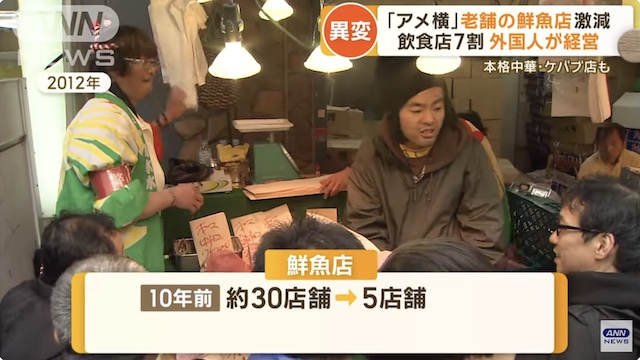
Fish Stores Decrease from 30 to 5 Stores

In contrast to the increasing number of restaurants, fish and dried food stores are decreasing. The bustling Ameyoko at the end of the year, with people searching for ingredients for New Year's, was a traditional scene...

Hayato Chiba: 'There used to be about 20 fish stores here. Now, there are five.'

Ten years ago, there were about 30 fish stores, but now there are only five, due to a lack of successors and the impact of COVID-19.

Kenko Mochimaru, President of Mochimaru Suisan: 'Before COVID-19, there were more than 10 stores, but since then, many have closed down. There are no successors, and some decided to quit because of the pandemic.'

As soon as a property becomes vacant, foreigners quickly rent it, transforming the area into the current multinational restaurant street.

Mochimaru, President: 'The momentum is incredible. As soon as a place becomes available, they move in.'

Focus on Traditional Retail Stores

The clientele of Ameyoko has also changed, with foreign tourists increasing about five years ago, now making up around 70% of visitors.

Tourist from Israel: 'It's a nice place, full of good ingredients like fruits, meat, and fish.'

Tourist from Mexico: 'There are many interesting shops selling fascinating items.'

With more foreign tourists unfamiliar with raw fish, the sales of surviving fish stores are declining, prompting them to consider new strategies.

Mochimaru, President: 'We are thinking of doing something besides fish, like grilling items for people to eat while walking.'

Ameyoko, rooted in the post-war black market, has evolved through the Showa, Heisei, and Reiwa eras. While accepting change, Chiba hopes people will also pay attention to the traditional retail stores that embody Ameyoko's essence.

Chiba, Vice Chairman: 'Restaurants have become essential, but as Ameyoko, a retail district, I hope people enjoy eating and drinking but also explore inside the underpass. It's a place where you can find anything except cars. It's like a treasure hunt; you always find something you want.'

Source: ANN

News On Japan
POPULAR NEWS

Typhoon No. 26 (Surigae) is expected to intensify as it moves over unusually warm waters south of Japan, potentially bringing prolonged periods of strong winds, heavy rain and dangerous seas to Okinawa from September 27, according to the latest forecast issued at 9 p.m. on September 25.

Residents in flood-hit areas of Chiba Prefecture continued clearing mud and damaged belongings from their homes on September 25 as emergency repairs began on a breached embankment at Lake Inba, with fresh heavy rain forecast for the weekend and Typhoon No. 26 threatening to bring further disruption next week.

Japan's teenage skateboarders delivered two gold medals and two bronze medals on September 25, with 15-year-olds Mizuho Hasegawa and Ian Nagahara winning the women's and men's park competitions at the Aichi-Nagoya Asian Games.

A major traffic accident involving 10 vehicles, including trucks and passenger cars, left one man seriously injured and nine others with minor injuries on the Daini Shinmei Road in Kobe on September 24, forcing the closure of part of the expressway.

An All Nippon Airways (ANA) flight bound for Saga Airport made an emergency landing at Naha Airport in Okinawa at 10:05 p.m. on September 23 after developing trouble with its right engine shortly after takeoff, with some passengers suffering minor injuries during an emergency evacuation.

MEDIA CHANNELS
         

MORE Travel NEWS

Japan's overnight trains are attracting renewed attention as railway companies introduce special services that combine affordable travel with exclusive experiences, highlighted by the country's first overnight Shinkansen service, which carried passengers from Osaka to Tokyo during the Silver Week holidays on September 22.

An All Nippon Airways (ANA) flight bound for Saga Airport made an emergency landing at Naha Airport in Okinawa at 10:05 p.m. on September 23 after developing trouble with its right engine shortly after takeoff, with some passengers suffering minor injuries during an emergency evacuation.

A rare blue-and-black bee known as the "blue bee that brings happiness" has become a popular attraction at Chojuji Temple in Konan, Shiga Prefecture, where visitors are gathering to catch a glimpse of the colorful insect.

Airports and railway stations across Japan were crowded on September 23 as travelers returned from their hometowns and holiday destinations on the final day of the five-day Silver Week holiday, with international flight arrivals reaching their peak and many afternoon Shinkansen services fully booked.

Japan's first overnight Shinkansen service departed Shin-Osaka Station at around 10 p.m. on September 22, taking passengers on a special journey to Tokyo that included a six-hour stop at Shin-Fuji Station, where travelers spent the night aboard the train before enjoying views of Mount Fuji at dawn.

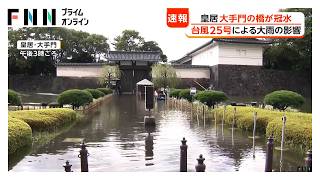
The road leading to Otemon Gate at Tokyo's Imperial Palace was flooded on September 22 after heavy rain from a typhoon caused water in the surrounding moat to overflow.

Extensive railway disruption continued across Chiba Prefecture on September 23 as JR East warned that several lines damaged by Typhoon No. 25 would remain closed beyond the Silver Week holiday, even as flights returned toward normal, all typhoon-related expressway closures were lifted and some highway bus services resumed. The storm has left widespread damage to railway tracks and embankments, with flooding, landslides and fallen trees complicating restoration work.

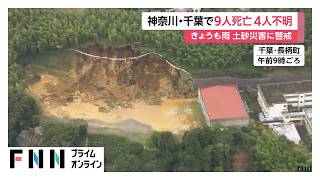
The death toll from Typhoon No. 25 rose to nine on September 23, with four people still missing in Chiba and Kanagawa prefectures, as renewed rainfall raised fears of further landslides in communities devastated by the storm.