News On Japan

These Family-Owned Restaurants Are More Than 100 Years Old!

TOKYO - Today’s adventure takes Shizuka to Nihonbashi, located in Tokyo’s Chuo Ward. Here, she explores the world of shinisei.

Shinisei shops, known as "long-established shops" in Japan, hold a special place in the country's cultural and commercial landscape. These businesses have been operating for generations, often spanning centuries, and are celebrated for their dedication to craftsmanship, quality, and tradition.

Shizuka’s first stop is Toyoda, a Japanese restaurant in Nihonbashi with a 160-year history. She enters the restaurant and meets the 5th-generation owner, Hashimoto Toru. After learning about Hashimoto-san’s family legacy and the restaurant’s history, it’s time to feast! Shizuka is presented with a range of delectable dishes, including blowfish, grilled Japanese beef, tempura, and beyond.

After finishing her meal, Shizuka steps out for some fresh air and wanders over to Nihonbashi Bridge, which was built in 1603 and has served as a symbolic landmark since the Edo Period (17th to 19th centuries). The bridge was originally constructed of wood and marked the starting point of Japan's five major highways, a reference point for travelers measuring distances.

Next stop is Janoichi, a 130-year-old restaurant and the second shinisei restaurant stop on this journey. Takarai Hideharu, the proud owner of Janoichi, introduces Shizuka to the restaurant’s evolution from a street food stand to bricks and mortar restaurant. He presents our hungry host with a dish of Janoichi delicacies, including marinated shrimp, scallops, and bluefin tuna sushi.

The final stop on Shizuka’s Nihonbashi shinisei journey is Unagi Kappo Oedo, which has been around since the 1800s. She enters an elegant dining room and meets Wakui Hiroyuki, the respected owner, who explains the restaurant’s journey from an eel shop to a specialty restaurant. Shizuka selects a course menu, including seasonal appetizers and a range of eel-based dishes.

News On Japan
POPULAR NEWS

Typhoon No. 30 was moving north through the East China Sea at 30 kilometers per hour at 6 p.m. on October 24, according to the Japan Meteorological Agency, as the large storm continued to weaken while approaching Kyushu, raising concerns about heavy rainfall across western and eastern Japan through October 26.

Typhoon No. 30 is raising the risk of widespread transport disruption across Japan on Sunday, October 25, particularly from the afternoon into the evening, as heavy rain and strong winds threaten airline schedules, railway services and major expressways. The most serious disruption is forecast from Sunday night through Monday morning, when the typhoon is expected to approach Kyushu and intensify an autumn rain front extending across western and eastern Japan.

Japanese drone manufacturer Terra Drone has delivered interceptor drones to Ukraine's Ministry of Defense for the first time, prompting Russia to threaten retaliatory measures on October 21, as Japan considers expanding domestic drone production and strengthening its coastal defenses through thousands of unmanned aircraft.

A critical security flaw discovered in PHP, a programming language used by an estimated 70% of the world's web systems, has triggered widespread disruptions across Japan since October 21, forcing banks, restaurant chains, government agencies and other businesses to suspend online services as a precaution against potential cyberattacks.

A growing wave of cyberattacks across Japan has raised concerns over the possible use of Chinese-developed artificial intelligence in hacking operations, with personal information belonging to tens of thousands of police employees potentially exposed and major companies forced to suspend online services, while cybersecurity experts warn that slow decision-making within Japanese organizations is allowing damage to spread.

MEDIA CHANNELS
         

MORE Food NEWS

Japan's new rice harvest is reaching stores at significantly lower prices, with initial trading prices for the 2026 crop falling 42% from a year earlier and some supermarkets selling freshly harvested rice for around 2,000 yen per 5 kilograms, creating an unusual situation in which new rice is cheaper than older stocks.

Foreign business owners in Japan are facing growing financial pressure following a sharp increase in the capital required to obtain a business management visa, with an Indian curry restaurant in Shizuoka warning that it may be forced to close unless its sales quadruple.

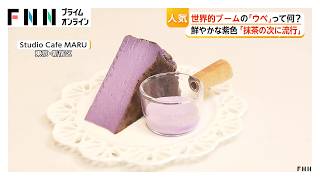
A vibrant purple ingredient from the Philippines is gaining popularity around the world, with ube, a type of yam known for its mild sweetness and striking color, emerging as a potential successor to matcha in the global dessert market.

Highly poisonous mushrooms capable of causing severe skin damage through contact and even death if eaten are appearing in large numbers on Mount Takao in western Tokyo, raising concerns for hikers and families as unusually hot summer weather and prolonged autumn rainfall have created ideal conditions for fungal growth.

A long-established noodle shop in Nagoya has become known for extraordinarily large servings, including its signature "Pitcher Koro," a 1.5-kilogram dish combining kishimen, soba and udon in a giant pitcher.

The Hida Taste Festival, a long-running event that began in 1986, is held twice a year in spring and autumn and has become a popular attraction in Takayama. This autumn's festival features 22 vendors offering a wide variety of regional dishes, including grilled Hida beef skewers, mitarashi dango rice dumplings coated in a savory soy-based sauce, and salt-grilled ayu sweetfish.

A massive land-based Atlantic salmon farming facility is taking shape in a mountainous industrial district of Tsu City, Mie Prefecture, where foreign-owned Pure Salmon Japan has begun raising approximately one million young fish as part of an 80 billion yen project that is expected to become one of the world's largest operations of its kind, with plans to ship 10,000 tons of salmon annually from February 2028.

Prices of leafy vegetables are rising sharply across Japan as prolonged rainfall and reduced sunlight in September damage crops and disrupt harvesting, with farmers warning that shortages could continue into winter and push prices even higher during the peak season for hot pot dishes.