News On Japan

The Hidden Logistics Behind Hit Frozen Food

TOKYO - Japan Access, Japan's leading general food wholesaler, is expanding the potential of food logistics with frozen-to-chilled processing, a system that stores products frozen and thaws them only when orders arrive before shipping them to retailers as chilled goods.

Wholesalers play a key role in the food supply chain by purchasing products from manufacturers and delivering them to retailers efficiently and reliably. Japan Access handles about 700,000 items, delivering foods across all temperature ranges, including shelf-stable, refrigerated and frozen products, to supermarkets and other sales floors. The company is especially strong in low-temperature products, covering both frozen and chilled goods, and its sales in the field stand out within the industry.

At one of Japan Access's logistics bases, products sent from manufacturers are stored in freezers and then thawed in quantities that match orders from retailers. The process, known as frozen-to-chilled, allows chilled products with short shelf lives to be kept frozen for long periods until they are ready to be shipped. For manufacturers, this means they can produce large volumes more efficiently without worrying as much about food waste from unsold inventory.

The logistics of frozen foods are also evolving. At a large distribution center serving more than 300 stores in the Tokyo metropolitan area, about 10,000 cases of frozen foods are sorted and shipped each day by store.

A machine called a case shuttle rack automatically sorts various products sent by manufacturers according to their delivery destinations. Since the system was introduced, sorting errors have been eliminated and work efficiency has improved 2.5-fold compared with previous methods. The system also reduces the amount of manual labor required in the harsh environment of minus 23 degrees Celsius, allowing products to be delivered more accurately.

Japan Access is also developing its own products, despite being a wholesaler. The company has held a unique event called Chin! Suru Restaurant, where visitors can eat all the frozen foods they want. By directly gathering consumer feedback, Japan Access works with manufacturers in its network to develop private-label products.

The company is drawing attention for the largely unseen logistics services that support daily meals and the food products that reach household tables across Japan.

Source: テレ東BIZ

News On Japan
POPULAR NEWS

Dangerous heat is expected across a wide area from western to eastern Japan today, prompting authorities to issue heatstroke warning alerts for 17 prefectures, the highest number so far this year.

Japan has become an unexpected base of operations for Russian intelligence agents since Moscow’s invasion of Ukraine, with spies allegedly using the country to procure and smuggle high-tech equipment and other goods to Russia, The New York Times reported on July 12.

Convenience store operators in Japan are strengthening safety measures as bear-related damage grows more serious, with Lawson expanding the use of bear repellent spray and considering drone-based remote monitoring.

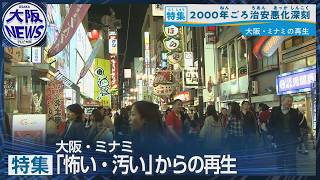
Osaka’s Minami district, now entering another period of major change with the planned opening of the Naniwasuji Line, the redevelopment of Midosuji and improvements around Nankai Namba Station, has transformed from an area once described as "scary" and "dirty" into one of Japan’s leading tourist destinations.

A 10-ton hoko float was pulled through central Kyoto on July 12 in a trial run ahead of the Yamahoko Junko procession during the Gion Festival's early parade.

MEDIA CHANNELS
         

MORE Food NEWS

Japan’s breakfast market is gaining new momentum, with Starbucks launching morning offerings at some locations in May and a growing number of newcomers entering the increasingly lively sector.

The first Pacific saury of the season landed in Hokkaido fetched a record 1.112 million yen per kilogram at an auction in Sapporo on July 10, with one fish later displayed at a retail price of 216,000 yen.

Wasabi, a food ingredient native to Japan, has long been valued not only for enhancing the flavor of other foods but also for its reported antibacterial and antioxidant properties, making it an essential part of the Japanese table.

Mos Food Services, operator of the Japan-born hamburger chain Mos Burger, is riding a strong recovery, with sales surpassing 100 billion yen for the first time in the year ended March 2026 and both revenue and profit reaching record highs.

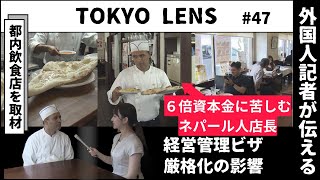
A Nepalese manager of a busy Indian restaurant in Kodaira, Tokyo, says he fears for the future of his business after Japan tightened the requirements for foreign entrepreneurs seeking to stay in the country under the business manager visa.

Sushiro, Japan’s leading conveyor-belt sushi chain, drew heavy crowds to a new outlet near Ayase Station in Tokyo on June 11, with the first day of business revealing both the brand’s strength and the pressure behind running a high-volume sushi restaurant.

Japan Access, Japan's leading general food wholesaler, is expanding the potential of food logistics with frozen-to-chilled processing, a system that stores products frozen and thaws them only when orders arrive before shipping them to retailers as chilled goods.

Seven chefs tasked with developing athlete menus for the Asian Games opening in September visited a long-established Hatcho miso maker in Okazaki on June 22, as organizers look to promote Aichi’s food culture through fermented seasonings such as miso and soy sauce.