News On Japan

What Is the Difference Between Nama Wasabi and Hon Wasabi?

TOKYO - Wasabi, an essential condiment on Japanese dining tables, is seeing rising demand as its popularity grows among foreign consumers drawn to its distinctive flavor and ability to enhance food.

Many people in Japan appear to acquire a taste for wasabi only after reaching adulthood. In a ranking by food media outlet Macaroni of foods people learned to enjoy as adults, wasabi placed first, followed by liver and celery.

Wasabi is commonly served with sushi, sashimi and other dishes because it reduces the heavy sensation caused by fatty foods while bringing out the natural umami of the ingredients, according to Miai Kaneko, head of the Japan Wasabi Association.

Tube-shaped wasabi products sold at supermarkets are often labeled either "nama wasabi," meaning fresh wasabi, or "hon wasabi," meaning real Japanese wasabi, but the terms do not necessarily mean the same thing.

Under standards used by food manufacturer S&B Foods, a tube labeled hon wasabi is made entirely from Japanese wasabi and carries a suggested retail price of 237 yen. Its nama wasabi product contains at least 50% Japanese wasabi, with ingredients such as horseradish making up the remainder, and has a suggested retail price of 151 yen.

Industry labeling standards provide an additional distinction. According to the Japan Processed Wasabi Association, products labeled as using hon wasabi must contain at least 50% Japanese wasabi, while those labeled as containing hon wasabi may have less than 50%.

Fresh wasabi itself is not particularly spicy when bitten into whole. Its characteristic sharpness develops when the plant is grated or thoroughly chewed, breaking down its cell structure and releasing the compounds responsible for its pungency, according to wasabi producer Kinjirushi.

Finely grating the root releases more of the natural heat and produces the familiar sharp sensation that rises through the nose.

For people who struggle with wasabi's intensity, Kaneko recommends placing it between two potato chips. The oil in the chips softens the heat while allowing the wasabi's flavor to stand out, offering a possible way for reluctant diners to develop a taste for the condiment.

Source: TBS

News On Japan
POPULAR NEWS

A large and very strong Typhoon No. 13 (Dolphin) was moving west over waters south of Japan as of 3 a.m. on August 5, after passing closest to the Ogasawara Islands the previous afternoon, with forecasters warning that Okinawa could face several days of violent winds and heavy rain as the storm slows near the region.

The death toll from the Kumamoto earthquake has risen to 38, while more than 8,200 people remained in evacuation shelters on August 4, one week after the disaster struck.

Japan's Immigration Services Agency on August 4 released draft guidelines that would tighten the requirements for foreign nationals seeking permanent residency, including new income and pension standards designed to ensure applicants have economic conditions equal to or better than those of Japanese people.

Six airlines, including All Nippon Airways, Japan Airlines and Air Do, will move the baggage check-in deadline for domestic flights at Haneda Airport to 30 minutes before departure from September 1.

The conflict involving Iran, the United States and Israel may be entering a more dangerous phase, with Tehran appearing increasingly willing to initiate attacks rather than merely respond to US strikes, while disruptions around the Strait of Hormuz threaten oil and liquefied natural gas supplies worldwide.

MEDIA CHANNELS
         

MORE Food NEWS

A banana grower in Okinawa is working to transform the fruit into a major local industry after recognizing the potential of a market that depends almost entirely on imports despite strong consumer demand.

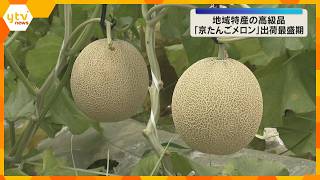
Shipments of Kyotango Melons, a luxury fruit known for its juicy texture and refined, rich sweetness, have reached their seasonal peak in Kyotango, Kyoto Prefecture.

Wasabi, an essential condiment on Japanese dining tables, is seeing rising demand as its popularity grows among foreign consumers drawn to its distinctive flavor and ability to enhance food.

A cafe where visitors can interact with nine giant dogs weighing more than 50 kilograms each is set to open next week in Tondabayashi, Osaka Prefecture, offering close encounters with the animals as well as dining excursions accompanied by a favorite dog.

A tiny aquatic plant known as wolffia is emerging as a potential next-generation protein source, offering rapid growth, high nutritional value and a significantly smaller environmental footprint than soybeans or beef.

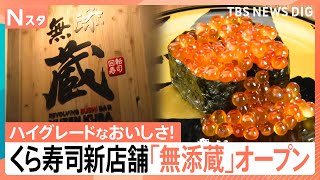
Kura Sushi has opened its second premium conveyor-belt sushi restaurant in Tokyo, introducing a menu of higher-grade seafood and same-day deliveries from Hokkaido by bullet train as the company seeks to stand out in Shinjuku’s fiercely competitive dining market.

A single bunch of Ishikawa Prefecture's premium Ruby Roman grapes sold for 1 million yen at the season's first auction in Kanazawa on Friday, putting the price of each grape at about 30,000 yen.

The average cost of preparing curry rice at home fell for the first time in two months as lower rice prices offset rising pork costs, while potatoes and onions are also expected to become cheaper.