News On Japan

Two Yubari Melons Fetch Record $36,500

SAPPORO - The season's first auction for Yubari melons, a signature specialty of Yubari in Hokkaido, was held at the Sapporo Central Wholesale Market on Friday morning, with a pair of the premium melons fetching a record 5.8 million yen.

Futami Seika, a fruit and vegetable wholesaler based in Kushiro, Hokkaido, placed the winning bid, surpassing the previous record of 5 million yen paid for two melons in 2019.

The melons will be displayed at a supermarket in Tokyo through May 24th before being served free of charge to customers on May 25th.

Yubari melons originated in the former coal-mining city of Yubari in Hokkaido, where farmers began searching for a high-value crop suited to the area's limited farmland and well-drained soil after the war. Melon cultivation had been attempted in the region before World War II, but it was revived in the 1950s as the city looked to develop distinctive agricultural products.

The breakthrough came after an agricultural extension officer took an interest in a locally grown red-fleshed melon known as Spicy Cantaloupe, which lacked sweetness but had a distinctive fragrance. Farmers crossed it with Earl's Favourite, a sweet green-fleshed melon, and in 1960 produced the hybrid variety now known as Yubari King, the melon sold under the Yubari Melon brand.

In the same year, 17 farmers established the Yubari Melon Association, introducing shared cultivation standards, shipping rules and quality-control methods that helped build the fruit's reputation. Unlike many other melon-producing regions, Yubari has continued to grow the same Yubari King variety for more than six decades, with seed stock strictly controlled and production permitted only within the city.

Initially sold mainly in Hokkaido, Yubari melons began gaining wider recognition in the 1970s as direct shipping expanded and former coal miners who had moved to other parts of Japan helped spread awareness of their hometown specialty. The melon's orange flesh, rich fragrance and soft, melting texture gradually turned it into one of Japan's best-known luxury gift fruits.

The brand later became a model of regional agricultural protection. Yubari Melon was registered under Japan's Geographical Indication protection system on December 22nd, 2015, among the first seven products protected under the scheme and the first from Hokkaido. The registration restricts use of the name to melons meeting defined production and quality standards in Yubari.

The first auction of the season, held each year at the Sapporo Central Wholesale Market, has become a symbolic event marking the arrival of early summer in Hokkaido, with winning bids often serving as promotional purchases rather than ordinary market prices. The latest record was set on May 22nd, 2026, when two Yubari melons sold for 5.8 million yen, surpassing the previous record of 5 million yen set in 2019.

News On Japan
POPULAR NEWS

As of 9 p.m. on May 30th, Typhoon No. 6 (Chanthu) was continuing to strengthen as it moved northwest over waters east of the Philippines, with Okinawa expected to face the worst conditions from June 1st to June 2nd as the storm passes nearby at strong intensity, while heavy rain is also forecast across western and eastern Japan, particularly along Pacific coastal regions.

A social media dispute between a 17-year-old high school student from Tokyo's Itabashi Ward and a 16-year-old boy from Edogawa Ward escalated into a planned group fight involving around 30 youths, some of whom allegedly brought weapons including a rusty saw, iron pipes, a special baton and even a shovel.

Japan's population stood at 123.05 million in 2025, according to preliminary results from the national census released by the Ministry of Internal Affairs and Communications, marking a decline of 3.097 million people over the past five years.

Volleyball player Shunichiro Sato, a member of Japan’s men’s national team, was arrested by the Tokyo Metropolitan Police Department on suspicion of possessing marijuana after allegedly leaving a bag containing the drug at a pachinko parlor in Tokyo.

The “naphtha shortage” triggered by escalating tensions in the Middle East is now spreading into Japan’s housing industry, with shortages of paint, thinner, insulation materials and other building products forcing construction delays across the country.

MEDIA CHANNELS
         

MORE Food NEWS

World-renowned musician YOSHIKI is betting on Hokkaido wine as Japan's next global export success story, joining a growing list of international figures and industry leaders who see the island as one of the world's most promising emerging wine regions.

I'll attempt to spend $100 on street food in Kyoto, Japan, but there's one problem: Japan is not really a street food country. Most people prefer to eat indoors, and finding street food is surprisingly difficult almost anywhere in the country—except in places like Nishiki Market. (More Best Ever Food Review Show)

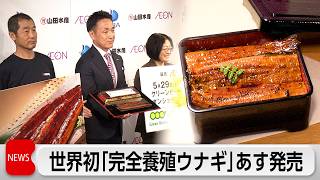
Japan will begin trial sales of the world’s first fully farmed eels for consumers on May 29th, marking a major milestone for the aquaculture industry as domestic eel prices have already fallen by about 40% from a year earlier.

Curry udon, a dish combining the fragrance of spices with one of Kansai's most beloved noodle staples, has developed into a distinctly different style in Kyoto, where a thickened dashi-based curry broth created to withstand the city's harsh winters has become the defining feature of a local comfort food tradition.

Japan byFood featuring Shizuka are heading to a Dancing Crab Tokyo that's redefining the new normal table etiquette with NO plates, NO utensils, and definitely NO staying quiet! (Japan by Food)

Production of tencha, the raw material used to make matcha, has begun in Yamazoe, Nara Prefecture, a village known for producing Yamato tea, with around 20 tons expected to be manufactured by the end of July.

The video explores the colorful and immersive food experience at Japan’s Super Nintendo World, highlighting how the park combines Nintendo nostalgia with Japan’s high culinary standards. (More Best Ever Food Review Show)

Honeybees, long valued for producing honey, are now facing a growing survival crisis that experts warn could eventually threaten global food supplies, as climate change, rising temperatures, and spreading parasites continue to devastate bee populations around the world.